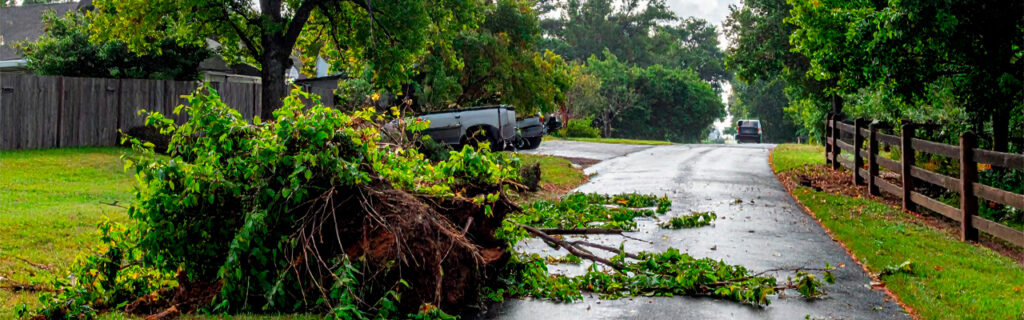
For property owners across Cherokee County, Ball Ground, and Canton with mature trees positioned near primary driveways, vehicle parking areas, frequently used outdoor gathering spaces, children’s play areas, and other regularly occupied high-traffic locations on their residential and rural properties, understanding why these position-specific trees deserve the additional monitoring attention and lower threshold for professional assessment response that their high-consequence positions specifically create, what tree conditions near driveways and frequently used areas warrant particular concern relative to equivalent conditions in lower-consequence positions, and how to establish the monitoring routine that keeps high-consequence position trees from progressing unobserved toward the structural conditions that their positions make specifically consequential gives the practical framework for approaching tree management near high-traffic areas as the priority safety and property maintenance category it is rather than the general tree awareness concern that treats all trees equivalently regardless of their specific position’s consequence for property safety and function.
Why Position Determines the Priority of Tree Monitoring and Response
Tree monitoring priority and management response threshold are most productively calibrated to the consequence that structural failure at each specific tree’s position would produce rather than to the tree’s condition alone, because equivalent structural conditions in different positions create dramatically different risk consequences that condition-based prioritization without position-based calibration treats as equivalently concerning regardless of how differently their consequences would manifest.
A tree with twenty percent canopy thinning from progressive systemic decline positioned in a remote wooded section with no structures, infrastructure, or regularly occupied areas within its fall zone warrants observation and documentation to track the decline’s progression but does not warrant the urgent professional assessment response that protects people and property from imminent structural failure. The same tree with the same twenty percent canopy thinning positioned directly over the primary driveway where vehicles navigate beneath it multiple times daily, where the property owner’s children board the school bus beneath it each morning, and where the structural failure that the decline trajectory may be advancing toward would place a multi-hundred-pound tree section directly onto a vehicle or person warrants professional assessment before the next storm tests the decline’s structural implications rather than continued observation until the decline advances further toward the stage that observation rather than assessment is adequate for. The position is what creates the urgency difference between monitoring and assessment response thresholds for the same structural condition, which is why position-based priority calibration produces better tree safety management outcomes than condition-based prioritization without the position context that gives each condition’s significance its specific consequence framework.
Why Driveways Create Specific Tree Safety and Maintenance Concerns
Driveways create specific tree safety and maintenance concerns through three mechanisms that individually and collectively distinguish driveway-adjacent trees from trees in other positions on the property in ways that specifically justify the additional monitoring attention they deserve.
Emergency Access Dependence on Driveway Clearance
For residential properties where the primary driveway is the only vehicle access route connecting the residence to the public road, the driveway’s clearance is not simply a vehicle convenience but an emergency access necessity that blockage from a fallen driveway tree removes during the storm events when medical, fire, and law enforcement emergencies are statistically most likely to require emergency vehicle access to the property. A driveway blocked by a fallen tree during the same storm that produced a medical emergency inside the residence, that started a fire from a lightning strike, or that created a structural collapse from wind damage is a driveway blockage that prevents emergency vehicle access at the most consequential possible timing, converting the tree’s structural failure from a property damage and maintenance event into an emergency access barrier whose consequences extend to the emergency the blocked driveway prevents from being reached by emergency services that need unobstructed access to respond effectively. This emergency access consequence of driveway tree failure is the highest-stakes position-specific risk that trees near primary driveways create, and it specifically justifies the monitoring priority and lower assessment threshold that driveway trees deserve relative to trees in positions without this emergency access consequence.
Vehicle Exposure During Daily Use
Vehicles navigating under driveway canopy and parked beneath trees near parking areas are exposed to the branch, bark, and debris fall that driveway trees produce continuously from normal canopy decay processes and at higher intensity during storm events that mobilize dead branches and bark sections that the storm’s loading dislodges without the full structural failure that driveway canopy trees occasionally also experience. This continuous vehicle exposure to falling debris from driveway trees is a property maintenance concern that accumulates in the form of paint damage from falling debris impact, windshield and glass damage from larger falling branch sections, and the deferred paint corrosion that the organic acid chemistry of leaf and sap deposits on vehicle paint surfaces initiates and that removing driveway tree canopy from directly above vehicle paths and parking positions specifically eliminates as a maintenance obligation. The vehicle exposure that driveway trees create for vehicles navigating beneath them daily is not identical to the structural failure risk that emergency access depends on, but it is a specific and recurring property maintenance concern that position-based monitoring identifies as a driveway tree concern that monitoring in other positions does not produce at the same frequency or severity because the vehicle exposure that creates the maintenance concern is specific to the positions where vehicles regularly move beneath and park under the canopy.
Root System Effects on Driveway Surfaces
Trees adjacent to driveways whose root systems extend beneath the driveway surface create the surface disruption, cracking, and heaving that root system growth and decay both produce beneath driveway surfaces that were placed above root systems without the root removal that prevents these below-surface effects. Growing root systems beneath driveway surfaces produce the mechanical heaving that root mass expansion applies to the surface above it as the root mass grows into the space that the driveway fill occupies above it. Decaying root systems from trees that have died while adjacent to the driveway produce the settlement voids that root mass decomposition creates in the structural zone, converting the root mass volume to the void space that the driveway surface above it subsides into progressively as decomposition advances. Both mechanisms create the surface cracking, deformation, and drainage collection that driveway surfaces adjacent to mature trees develop over their service lives, and monitoring the driveway surface adjacent to mature trees for the early heaving and cracking indicators that root system effects produce identifies these conditions when repair is modest and straightforward rather than after the deformation has advanced to the more extensive and more costly condition that early detection and response would have prevented.
Why Frequently Used Outdoor Areas Create Specific Tree Safety Concerns
Frequently used outdoor areas including patios, decks, outdoor dining areas, children’s play areas, fire pit gathering spaces, and other regularly occupied outdoor locations beneath or adjacent to mature tree canopy create specific safety concerns from the same structural failure and debris fall mechanisms that driveway trees create, but with the additional severity that the more intimate occupancy of outdoor gathering spaces creates relative to vehicles passing through rather than lingering beneath canopy.
Children’s play areas beneath or adjacent to mature tree canopy are the highest-consequence outdoor occupancy position for tree monitoring and management response priority because the occupants are simultaneously the most vulnerable to injury from falling debris and structural failure and the least likely to recognize and self-protect from the warning signs that an experienced adult observer would interpret as requiring evacuation before continued occupancy creates the injury risk that the identified structural condition produces. A parent whose child plays daily beneath the canopy of a tree showing basal fungal fruiting, progressive canopy thinning, and recent lean development has a different monitoring and response obligation than the same parent whose own adult outdoor activity occurs beneath the same tree, because the child’s vulnerability and absence of self-protective judgment specifically elevates the management response urgency that the adult’s physical and cognitive capacity to recognize and respond to warning signs moderates for adult occupancy without completely eliminating the professional assessment response that the same conditions warrant regardless of the occupant’s age and capacity.
Outdoor dining and gathering areas where people spend extended time beneath tree canopy rather than passing through it create higher occupancy exposure to the structural failure and debris fall risks that canopy overhead creates than the passing-through exposure that driveway vehicle navigation creates, because the extended occupancy duration of dining and gathering activities multiplies the exposure time relative to the brief exposure that vehicle passage beneath the canopy creates. The probability that a specific structural failure event occurs during any specific moment of occupancy is low regardless of the tree’s condition, but the exposure time that extended outdoor gathering activities create beneath tree canopy is substantially greater than the exposure time that vehicle driveway passage creates, which proportionally increases the probability that a structural failure event coincides with occupancy and creates the injury consequence that extended outdoor gathering activity exposure specifically makes more likely than the brief passage exposure of driveway navigation.
Specific Tree Conditions That Warrant Extra Attention Near Driveways and High-Use Areas
The tree conditions that warrant professional assessment in lower-consequence positions when they reach advanced stages warrant professional assessment in driveway and high-use area positions at earlier stages of their development, because the position’s consequence for the injury and access emergency that structural failure in these positions creates specifically justifies the earlier professional assessment response that creates more management response options and more time before failure risk advances further than deferred assessment at the later stages that lower-consequence positions’ condition progression warrants.
Dead Branches Over Driveway and Gathering Area Canopy
Dead branches of any significant diameter positioned directly over driveway travel surfaces and outdoor gathering areas warrant professional removal scheduling as a current-season maintenance priority rather than as a deferred maintenance item that can wait for the next scheduled tree service event regardless of timing. The position of the dead branch above a high-use area rather than above a low-consequence area is what creates this scheduling urgency, because the same dead branch in a low-consequence position can be managed at the property owner’s scheduling convenience without the urgency that the high-use area position creates by placing the falling debris risk directly above the vehicles, occupants, and access infrastructure that the property depends on being safe and undamaged. Specifically checking every tree with canopy over driveway travel surfaces and outdoor gathering areas during the growing-season assessment when dead branches are most definitively identifiable as leafless among fully leafed living branches allows dead branch removal to be scheduled as planned maintenance before storm events deliver the loading that tests the dead branch’s remaining attachment without the prior removal that monitoring and planned maintenance specifically enables.
Canopy Overhanging Driveway and Structure Overhead Clearance
Living canopy that overhangs driveway travel surfaces at heights that produce vehicle contact during normal navigation creates the vehicle paint damage, antenna and accessory damage, and psychological deterrent to using the primary access route that adequate overhead clearance management specifically prevents. Annual growing-season inspection of driveway canopy overhead clearance at all positions where canopy extends across the travel surface at near-contact or contact heights identifies the positions requiring clearance maintenance before the growing season’s additional branch extension growth advances the existing near-contact condition to consistent contact during the current season’s vehicle navigation. This clearance inspection is most productively conducted by slowly driving the driveway’s full length with a heightened attention to the canopy height above the vehicle and the contact conditions that approaching canopy creates at the vehicle’s roof and side mirror heights, identifying any positions where contact occurs or is imminent from continued growth, and specifically noting the branch positions and heights that require professional limbing to restore the clearance that normal vehicle navigation requires without the contact that the current overhanging canopy positions create.
Basal Fungal Fruiting and Structural Decay Indicators
Basal fungal fruiting at the root flare and trunk base of trees adjacent to driveways and high-use areas warrants professional structural assessment without the observation period that the same finding in a lower-consequence position might justify before professional assessment is warranted, because the structural wood decay that basal fruiting confirms requires professional evaluation of its extent and structural adequacy implication specifically before the next storm event tests the structurally compromised tree against the loading that the decay’s extent may make the tree inadequate to resist at the driveway and high-use area position where that inadequacy’s consequence is specifically consequential for the infrastructure, vehicles, and people that the high-consequence position places within the compromised tree’s fall zone. Close-proximity inspection of the root flare and lower trunk of every tree within fall distance of driveway surfaces and high-use outdoor areas during post-rain observation when fungal fruiting activity is highest and basal fruiters are most likely to be visible at their intermittent above-ground fruiting stage produces the most reliable fungal fruiting detection that property owner assessment can achieve, and should be conducted at least annually as part of the priority tree monitoring program that high-consequence position trees specifically warrant.
New Lean Development in High-Consequence Position Trees
New lean development in trees adjacent to driveways and high-use areas that was not present in prior assessments warrants professional assessment before the next storm event rather than the continued observation period that new lean development in lower-consequence positions might justify for determining whether the lean is progressive or stable. The high-consequence position creates this accelerated response threshold because the mechanism producing the new lean, either root plate rotation from root system anchoring failure or structural wood failure at a compromised trunk position, represents active structural change that the storm loading the next storm applies will test against the tree’s declining structural integrity at the specific position where that test’s result places the failed tree or failed branch sections on the driveway surface or in the high-use area that the compromised tree’s fall zone encompasses. Documenting the lean direction and estimated lean angle at the initial observation that identifies it as new, and promptly sharing this documentation with a professional tree service for assessment scheduling, converts the new lean observation from the awareness that something has changed into the professional assessment that specifically determines whether the change represents an ongoing structural failure trajectory or a stable lean from a specific past event that the tree’s current structural condition can adequately resist without the ongoing progression that professional assessment of the lean’s cause and extent can specifically evaluate.
Establishing a Monitoring Routine for High-Consequence Position Trees
A monitoring routine for trees near driveways and high-use areas that produces the observation coverage these priority positions warrant requires combining the scheduled systematic assessments that provide the multi-season comparison baseline with the opportunistic assessments that storm events and significant weather specifically justify as supplements to the scheduled cycle.
The scheduled monitoring cycle should include a growing-season assessment during late summer when full canopy development makes dead branch identification most definitive and canopy health comparison to prior season documentation most evaluable, specifically covering every tree whose canopy overhangs driveway surfaces or high-use outdoor areas and every tree within fall distance of those areas. This growing-season assessment should address canopy observation from multiple positions around each priority tree for dead branches, progressive canopy thinning, and premature color change, followed by close-proximity trunk and root flare assessment for fungal fruiting, bark abnormalities, cavities, and lean changes. The scheduled cycle should also include a dormant-season assessment when leafless conditions expose the branch structural architecture and trunk conditions that growing-season foliage partially obscures, providing the structural evaluation complement to the canopy health evaluation that the growing-season assessment produces.
The opportunistic post-storm assessment after any significant storm event that could have produced structural changes in priority trees provides the condition update that the storm-produced changes warrant between scheduled assessment cycles. A significant storm that produced tree failures elsewhere in the property or the neighborhood warrants a specific post-storm walk of every priority tree adjacent to the driveway and high-use areas, specifically looking for new hanging branches, new trunk cracks, new lean development, and any soil upheaval at the root zone that the storm’s loading produced. Each of these storm-produced changes is a new condition that the pre-storm scheduled assessment did not and could not have identified, and identifying them promptly after the storm that created them provides the response window that allows professional assessment before the next storm tests the new structural conditions against loading that the compromised condition may inadequately resist at the high-consequence position where the test’s result places the failure on the driveway or in the high-use area.
Frequently Asked Questions
How far from the driveway and high-use areas should I consider trees to be in priority fall zone positions?
The priority fall zone that places a tree in the highest monitoring attention category for driveway and high-use area protection extends to the distance that the tree’s height would reach if the tree or any major scaffold section fell in the direction of the driveway or high-use area from its current standing position. A fifty-foot tree adjacent to the driveway creates a priority fall zone that extends fifty feet from its base in the direction of the driveway, which for most residential driveway configurations places the full driveway within the priority fall zone of trees directly adjacent to it. The practical approach for determining which trees are in priority fall zone positions relative to driveways and high-use areas is to stand at each point along the driveway and within each high-use area and identify every tree whose height would place it within reach of that position if the tree or a major section fell from any direction toward the position. This exercise typically identifies more trees in priority fall zone positions than property owners initially expect, because the reach that tree height creates from positions adjacent to the driveway or high-use area extends further than intuitive estimation suggests without the specific calculation of height-to-distance relationship that the exercise produces by directly connecting each tree’s estimated height to the distance from its base to the driveway or high-use area position being evaluated.
Should all large trees near driveways and high-use areas be removed as a precautionary measure?
No, and this is an important clarification that prevents the over-removal of structurally sound mature trees whose long-term value is significantly greater than the precautionary removal of all large trees near high-use areas would justify. The appropriate response to trees near driveways and high-use areas is the enhanced monitoring and lower professional assessment threshold that their positions specifically warrant rather than precautionary removal that treats sound mature trees as hazards based on their size and position alone without the structural assessment that evaluates whether any specific tree’s structural condition actually warrants removal. Structurally sound mature trees near driveways and high-use areas that do not show the specific structural decline, basal decay, progressive lean, or significant deadwood indicators that professional assessment would specifically identify as warranting removal represent irreplaceable character, shade, and ecological contributions whose monitored presence is the appropriate management response rather than the precautionary removal that eliminates their contributions without the structural justification that adequate assessment would have identified as the basis for removal. The monitoring and assessment program that distinguishes the structurally sound trees whose monitored presence is appropriate from the structurally compromised trees whose removal is warranted is the specific tool that avoids both the under-response of ignoring genuine structural concerns and the over-response of removing sound trees whose position near high-use areas creates monitoring priority without removal justification.
How should I document my tree monitoring near driveways and high-use areas for insurance or liability purposes?
Tree monitoring documentation near driveways and high-use areas that serves insurance and liability purposes should include dated photographs of each priority tree’s condition from consistent positions at each monitoring cycle, specifically capturing the canopy from multiple positions around the tree and the trunk and root flare at close proximity, with written notes recording any conditions identified during each monitoring visit and the management response those conditions prompted or the assessment result that professional consultation produced. This documentation demonstrates that the property owner conducted systematic, regular monitoring of priority position trees and responded appropriately to identified conditions rather than allowing known conditions to persist without management response, which is the property management diligence demonstration that insurance and liability considerations specifically reward by establishing that the property owner’s management program was responsive to identified concerns rather than indifferent to them. Retaining professional assessment reports from any professional tree evaluations of priority position trees, specifically preserving the assessment conclusions and management recommendations that those evaluations produced, provides the professional judgment documentation that the property owner acted on professional advice rather than lay assessment alone when making management decisions about high-consequence position trees.
What intermediate management options short of full removal can improve safety for trees near driveways and high-use areas?
Several intermediate management options between continued unmanaged retention and full removal can reduce the safety and maintenance concerns that trees near driveways and high-use areas create without the full character and ecological contribution loss that removal produces. Dead branch removal by a professional tree service that specifically addresses the dead branches creating hazard risk over driveway surfaces and high-use areas while retaining the structurally sound trunk and remaining living crown is the most commonly applicable intermediate option, converting the specific dead branch hazard into removed debris without eliminating the tree that will continue contributing its character and shade after the dead branch removal that the hazard concern justified. Crown reduction that removes the sections of the crown creating the most significant hazard concern while retaining the trunk and the crown sections that do not create the same concern level is an intermediate option that professional tree services can evaluate for trees where the crown’s geometry creates the primary safety concern and where reducing the crown’s size and reach toward high-use areas specifically addresses the concern without full tree removal. Canopy elevation through limbing that removes lower branches creating driveway clearance contact and debris fall hazard at the driveway clearance level while preserving the upper canopy that does not create the same low-clearance contact and direct overhead hazard is an intermediate option for trees where the lower branch configuration rather than the full tree is the primary driveway and high-use area concern.
Concerned About Trees Near Your Driveway or Frequently Used Areas?
Trees near driveways and frequently used outdoor areas on North Georgia residential and rural properties deserve the enhanced monitoring attention and lower professional assessment threshold that their positions’ specific consequences for emergency access, vehicle safety, occupant safety, and infrastructure integrity specifically justify. The monitoring routine that specifically covers these priority position trees at the growing-season and dormant-season assessment cycles, supplemented by the post-storm assessments that storm events warrant for any significant weather event that could have produced structural changes in priority trees, provides the observation coverage that identifies the specific conditions warranting management response before those conditions advance to the structural failure events that their positions make specifically consequential. The trees in these priority positions that receive this enhanced monitoring and appropriate management response consistently remain the assets they are, contributing their character, shade, and ecological function to the property’s long-term value, while the trees whose conditions monitoring identifies as warranting professional assessment and in some cases removal receive the management they specifically need before the conditions their positions make consequential advance to the failure events that adequate monitoring and timely management response specifically prevents.
Bardin Outdoors works with homeowners and landowners across Ball Ground, Canton, Cherokee County, and North Georgia to evaluate and address the specific tree removal needs that monitoring near driveways and high-use areas identifies, from dead branch removal that addresses specific overhead hazards to full removal of structurally compromised trees whose positions make their structural conditions specifically consequential for the driveway access and high-use area safety that adequate management protects. To learn more about how Bardin Outdoors can help address trees near driveways and frequently used areas on your North Georgia property, contact us.