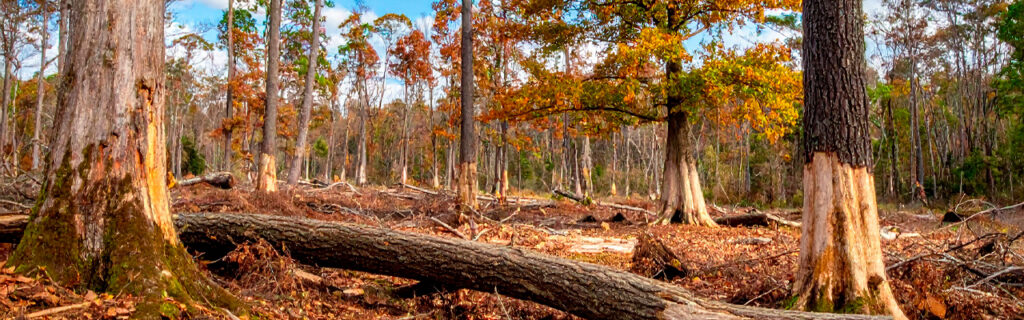
Within this balanced context, certain tree conditions do create genuine property maintenance problems that appropriate management response should specifically address, and identifying those conditions before they advance to the stage where the maintenance problem they create becomes significantly more consequential than earlier detection and response would have required is the property management practice that keeps manageable tree conditions from advancing to the less manageable stages that deferral allows them to develop toward. The dead branch over the primary entry that could be removed as a scheduled maintenance item today becomes the branch that falls on the entry tomorrow if the maintenance schedule defers it until tomorrow becomes the structural failure event that adequate maintenance scheduling would have prevented from occurring. The leaning tree whose lean developed recently could be professionally assessed and managed while the lean is new and the management options are broadest becomes the tree that continues developing structurally toward the position where management options have narrowed to the removal that the lean’s continued progression makes necessary if assessment when the lean first appeared had not identified whether the lean was progressive or stable and what management of a progressive lean at its early stage would have involved. For property owners across Cherokee County, Ball Ground, and Canton, understanding the specific tree conditions that constitute genuine property maintenance problems rather than simply normal tree aging, and what those conditions specifically require from property owner observation and management response, gives the practical framework for monitoring the trees on their properties with the focused attention that the conditions warranting response deserve rather than the general anxiety about tree proximity to structures that balanced condition-specific knowledge specifically reduces.
Dead Branches as the Most Directly Manageable Tree Maintenance Concern
Dead branches in the canopies of trees near structures, driveways, and occupied outdoor areas are the tree maintenance condition that most directly translates observable indication into specific management response without requiring professional structural assessment to determine whether management response is warranted. The identification that a branch is dead, confirmed by its absence of current-season foliage during the growing season when all living branches should be carrying leaves, is sufficient to determine that the branch should be removed by a professional tree service before it fails uncontrolled and falls on whatever is beneath it, because the management response that a dead branch warrants does not depend on the structural assessment of the tree below the dead branch but on the physical fact that the dead branch is dead and will eventually fall from the position its dead weight occupies above the structures, driveways, or occupied areas in its fall path.
Identifying Dead Branches During the Growing Season
Walk completely around each priority tree near structures and occupied areas, observing the full canopy circumference from multiple positions on all sides, specifically looking for branches carrying no leaves while all surrounding branches carry full growing-season foliage. This contrast between leafless dead branches and fully leafed living branches is most clearly visible during summer’s peak foliage development when the distinction between the two conditions is most definitive, which is why growing-season observation produces the most reliable dead branch identification that winter dormancy’s uniform leafless condition cannot provide at the same definitiveness. Note each identified dead branch’s size, position, and relationship to the structures and occupied areas beneath it, specifically asking whether the branch or any portion of it is positioned above or within fall distance of the structure, driveway, vehicle parking area, or regularly used outdoor space beneath it. Dead branches positioned over or within fall distance of these priority positions warrant professional removal scheduling based on size and urgency of the safety concern their position creates. Dead branches in positions without priority targets beneath them warrant monitoring and removal at a convenient maintenance scheduling opportunity rather than the urgent response that priority fall zone positioning creates.
Hanging Branches as the Highest-Urgency Dead Branch Category
Hanging or partially detached branches that are currently caught in adjacent live canopy rather than attached to the tree structure by their own branch union are the dead branch condition requiring the most urgent professional response of any dead branch category, because their retention in the canopy depends entirely on the support of surrounding branches rather than on structural attachment, and they can fall without any predictable trigger condition when the surrounding support shifts from wind, additional growth, or the progressive failure of the branches currently holding the hanging dead branch in position. Hanging branches in the canopy of trees near structures should be identified and reported to a professional tree service for prompt removal rather than monitored as stable conditions that can be scheduled at the next convenient maintenance opportunity, because the unpredictability of hanging branch release timing is specifically what distinguishes them from attached dead branches that at least require the mechanical separation force of a storm or structural decay failure to produce the fall that detachment is a prerequisite for.
Excessive Leaning as a Tree Maintenance Concern
Lean in trees near structures is a tree maintenance concern whose significance depends critically on the distinction between historical lean that has been present and stable without change for many prior assessment cycles and new or progressive lean that has developed recently or that is measurably increasing between successive observation periods. This distinction is the most consequential evaluation that property owner observation of leaning trees near structures must make, because the management response appropriate for the two lean types is fundamentally different in urgency and scope and because making the wrong determination about which type of lean a specific tree is presenting can lead to either unnecessary alarm about stable historical lean or inadequate response to progressive lean that is indicating ongoing structural change.
Historical Stable Lean Versus New or Progressive Lean
Many trees on North Georgia properties have developed lean over their lifetimes from directional light availability, prior storm loading that pushed them to a lean position that then remained stable as the tree continued growing in the leaned position, and the directional growth patterns that trees establish in response to the specific light, wind, and physical environment of their specific location. This historical lean is stable, does not represent ongoing structural change, and does not indicate the root plate movement or structural failure that new lean development indicates. A tree that has been leaning at approximately the same angle in the same direction for the ten years that the property owner has known it is a tree with stable historical lean that does not indicate progressive structural change and does not warrant the urgent professional assessment that newly developed or measurably progressive lean warrants.
New lean that was not present in prior observations, or existing lean that has measurably increased since prior observations, indicates that the tree is undergoing active structural change rather than maintaining a stable historical position. New lean development can indicate root plate rotation where the root system’s structural anchoring on the side opposite the lean direction is failing under the tree’s weight and wind loading, or structural failure at a trunk position that is allowing the trunk to deflect toward the lean direction under loading that the structural compromise the failure produced allows. Either mechanism represents active structural change that professional assessment should specifically evaluate before the next storm applies the loading that the developing lean indicates the tree’s structural integrity is declining in its capacity to resist. Documenting the observed lean direction and estimated lean angle at the initial observation that identifies it as new or progressive, and comparing to these observations at the subsequent assessment that determines whether the lean has continued progressing or has stabilized, provides the multi-point comparison data that distinguishes ongoing progression from the stabilization that a specific event-triggered lean rather than progressively failing root or trunk condition sometimes produces after the initial lean-producing event rather than continuing after it.
Declining Growth and Canopy Health as Tree Maintenance Indicators
Progressive canopy decline across multiple growing seasons, as distinguished from the single-season foliage response to drought stress or specific pest pressure that reverses in the following season when the stressor resolves, indicates systemic functional decline that may have structural implications for trees in priority fall zone positions near structures and occupied areas on Cherokee County residential and rural properties.
Crown Thinning Across Multiple Seasons
A tree whose crown density has been measurably and progressively declining across three or more successive growing seasons, producing a canopy that is visibly thinner and more open than the same tree presented at the same seasonal development stage in prior seasons, is showing the most reliable indicator of systemic functional decline that canopy observation provides. This progressive multi-season character distinguishes the decline indicator from the normal year-to-year variation that individual season stressors produce in crown density without representing a progressive trajectory. Documenting crown density at the same seasonal development stage each year, most productively through annual peak-season photographs from consistent positions around each priority tree, creates the multi-season comparison record that distinguishes progressive decline from the stable condition that single-point observation without prior comparison cannot evaluate as either declining or stable. Progressive crown thinning across three or more seasons in a priority fall zone tree warrants professional structural assessment that evaluates whether the systemic functional decline the canopy indicates is associated with structural compromise that continued retention near structures produces unacceptable safety risk from.
Dieback Advancing From Outer Crown Tips Inward
Progressive dieback that begins at the outer canopy tips and advances inward toward the main scaffold branches over successive seasons indicates that the tree’s capacity to supply water and nutrients to the full extent of its canopy has declined below what the outer crown demands, and that the tree is progressively losing the canopy sections it can no longer supply while attempting to maintain the reduced canopy that the declining root capacity can still support. This outer-to-inner dieback advance pattern specifically differs from the inner crown self-pruning deadwood that normal tree aging produces at inner positions where shade limits the light available for photosynthesis, because the outer crown positions where tip dieback is advancing are well-lit positions where living branches should be productive rather than the shaded inner positions where self-pruning deadwood is a normal aging condition. The outer-to-inner advance pattern is the indicator that distinguishes systemic functional decline driving the outer crown dieback from the normal inner crown self-pruning that produces deadwood at shaded positions without indicating systemic functional decline.
Difficult Locations as Tree Maintenance Concerns
Beyond the tree’s own condition, its location relative to structures, utilities, other trees, and the property’s intended use areas creates property maintenance concerns that the location itself produces regardless of the tree’s structural and biological condition. A tree in excellent structural and biological condition that is located where its roots are disrupting the foundation drainage or where its canopy is overhanging and loading the roof with debris is a tree creating property maintenance problems from its location rather than from its condition, and the maintenance decisions those location-driven problems warrant are different from the maintenance decisions that condition-driven problems require.
Trees With Canopy Directly Over Structures
Trees whose canopy directly overhangs structure roofs create continuous leaf, twig, seed, and branch debris deposit on the roof surface, in the gutters, and against the exterior walls that cleaning and maintenance must address at the frequency that ongoing debris deposit from the overhanging canopy generates. This debris deposit is not a condition that progressively worsens to a manageable threshold that removal or canopy reduction specifically addresses at one point. It is a continuous ongoing maintenance obligation that the canopy’s overhanging position creates throughout the canopy’s growing season and that fall leaf drop intensifies at the seasonal transition that always exceeds the growing season’s continuous deposit in concentrated volume. Gutters blocked by debris from overhanging canopy overflow during rain events and deliver water to the foundation perimeter that adequate drainage would shed. Accumulated debris on the roof surface retains moisture that accelerates the biological growth and material degradation that dry, debris-free roof surfaces do not experience. Canopy branches in direct contact with the roof surface abrade roofing material during wind movement and create the physical contact damage that sustained branch-to-roof contact progressively produces regardless of whether any individual contact event produces observable damage during the inspection that follows it. Canopy reduction that removes the branches overhanging the structure while preserving the trunk and the canopy sections that do not overhang the structure eliminates the debris deposit, contact damage, and drainage obstruction that the overhanging canopy position specifically creates without requiring the full tree removal that removing the overhanging canopy sections specifically avoids.
Trees Near Utility Lines
Trees growing in proximity to overhead utility lines create the contact conditions that utility line clearance maintenance must address at the frequency that annual branch extension growth adds additional branch length toward the utility clearance zone the line requires. Utility line contact from tree branches creates electrical hazard conditions, service interruption risk, and the fire risk that branch-to-line contact under certain conditions produces, making utility line clearance maintenance a safety and reliability concern rather than only an aesthetic concern about the branch extension that progressively approaches the clearance zone. Contact clearance maintenance for trees near utility lines should be coordinated with the utility company whose lines are involved rather than executed independently by the property owner, because utility line clearance work requires the specific safety procedures and equipment that electrical proximity demands and that the utility company can confirm are appropriate for the specific line type and voltage that the clearance work will be conducted adjacent to. The tree near utility lines that is creating ongoing growth-driven clearance maintenance requirements at the frequency that annual branch extension toward the clearance zone generates may warrant professional assessment of whether canopy reduction that moves the canopy growth away from the clearance zone rather than continuing to prune it back to the clearance zone annually would reduce the recurring clearance maintenance obligation that the tree’s location near the line creates at the current clearance maintenance frequency.
Trees With Root Systems Disrupting Infrastructure
Tree root systems that are actively disrupting driveways, sidewalks, foundation drainage systems, or underground utilities create the progressive infrastructure damage that the growing root mass’s mechanical force produces against the infrastructure that occupies the soil zone the root system is expanding into. Driveway surface heaving from root systems expanding beneath the pavement creates the cracking, lifting, and surface displacement that the root mass’s growth applies to the pavement above it at the rate that root growth advances rather than at the rate that annual maintenance inspection detects. Foundation drainage disruption from root systems growing into the perimeter drainage creates the drainage performance decline that root mass occupation of drainage paths reduces to the drainage capacity of the remaining unoccupied flow path rather than the designed capacity that root-free drainage infrastructure provides. Infrastructure disruption from root systems is a maintenance concern that professional assessment of the specific root-infrastructure interaction at the specific site determines the most appropriate response to, because the response options ranging from root pruning to infrastructure protection measures to tree removal depend on the specific infrastructure type, the root system’s species and size, and the infrastructure’s current damage condition that professional assessment at the specific site is most qualified to evaluate and recommend management for.
How to Conduct a Systematic Tree Assessment That Identifies Maintenance Concerns
A systematic tree assessment that identifies the maintenance concerns described in this article requires a structured property walk that specifically evaluates each priority tree near structures, driveways, utility lines, and occupied areas against the condition and location indicators that the assessment is specifically designed to identify rather than the general observation that notes trees look good or concerning without connecting those impressions to the specific conditions that warrant specific management responses.
Conduct the assessment in two components for each priority tree. The first component is the canopy observation conducted from multiple positions around the full tree circumference that looks for dead branches at any crown position, progressive crown thinning or outer-to-inner dieback advance, and canopy sections overhanging structures or utility lines. The second component is the base and trunk inspection conducted at close proximity to the tree’s root flare and lower trunk that looks for fungal fruiting at the root flare, bark abnormalities along the trunk, visible cavities at any trunk position, and new lean development compared to the prior assessment observation. Document each finding with a dated photograph and a brief written note before moving to the next tree, creating the assessment record that management scheduling and professional assessment referrals can be based on rather than the recalled impressions that memory’s unreliability makes inadequate as the reference for decisions about conditions that adequate documentation would specifically support.
Frequently Asked Questions
How often should property owners conduct the tree assessment that identifies these maintenance concerns?
A systematic tree assessment of priority trees near structures and occupied areas conducted twice annually, with one assessment during the growing season when full canopy development makes dead branch identification most definitive and canopy health comparison to prior seasons most evaluable, and one assessment during dormancy when leafless conditions allow structural evaluation of branch architecture and trunk conditions that foliage obscures during the growing season, provides the most productive assessment schedule for most Cherokee County residential and rural properties. The growing season assessment is ideally conducted in late summer when canopy development is at its annual peak, making the contrast between dead and living branches most visually distinct, and when enough growing season remains to identify and address conditions that require management before the fall storm season continues testing the trees whose conditions the assessment reveals. The dormant season assessment is ideally conducted in late fall or winter when leafless conditions expose the branch structural architecture, trunk conditions, and root flare that the growing season’s foliage partially obscures, and when dormant conditions allow the soil surface around the root flare to be examined most thoroughly because the absence of competing vegetation growth at the root flare zone makes the surface conditions there most visible and most accessible for close-proximity assessment. Supplementing these scheduled assessments with specific post-storm assessments after any significant storm event that could have produced structural changes in priority trees captures the storm-produced conditions that the scheduled assessments’ pre-storm timing would not have been able to identify because those conditions did not exist before the storm produced them.
What is the difference between a property owner’s tree assessment and a professional arborist’s assessment, and when does the professional assessment add value that the property owner’s assessment cannot provide?
A property owner’s tree assessment is most effective at identifying the external indicators that the specific conditions described in this article produce at the canopy, trunk, and root flare positions that ground-level observation accesses, and at maintaining the multi-season documentation record that identifies progressive change across successive assessments. A professional arborist’s assessment adds value at the point when external indicators suggest internal structural conditions whose significance, extent, and management implications external observation cannot adequately characterize without the professional techniques, climbing access, and internal evaluation tools that professional assessment employs. Specifically, professional assessment adds value that property owner assessment cannot replace when any basal fungal fruiting is identified at the root flare or trunk base of a priority fall zone tree, where the structural decay the fruiting confirms requires professional evaluation of its extent and structural adequacy implication. Professional assessment also adds value when new lean development is observed and the mechanism driving the lean requires professional evaluation to determine whether it is root plate rotation, trunk structural failure, or a stable lean-inducing event that will not continue progressing. And professional assessment adds value when progressive crown decline across multiple seasons warrants evaluation of whether the systemic functional decline indicated by the canopy trajectory is associated with structural compromise that affects the tree’s safe retention at its specific fall zone position near the structure below it. The property owner’s assessment is the condition monitoring practice that identifies the indicators warranting professional assessment; the professional assessment is the technique-informed evaluation that characterizes the structural and biological conditions those indicators suggest with the accuracy that management decisions for priority fall zone trees specifically require.
How do invasive vines on trees create maintenance concerns that should be specifically assessed?
Invasive vines including wisteria, English ivy, and climbing euonymus that establish on tree trunks and canopies create tree maintenance concerns through the mechanical loading, bark contact moisture, and eventual canopy smothering that established vine coverage produces on the trees they occupy. Vine masses on tree trunks add weight to the trunk and canopy at positions that affect the tree’s wind loading response during storm events, increasing the bending moment that the additional vine mass creates at the trunk positions it loads relative to the moment that the tree’s own canopy without the added vine weight creates. Vine coverage on bark surfaces maintains moisture contact between the vine mass and the bark for longer durations after rain events than vine-free bark retains, creating the moisture conditions that accelerate bark deterioration, fungal colonization, and decay organism entry at the vine-bark interface positions. Vine mass that has extended from the trunk into the canopy and is smothering the tree’s foliage reduces the tree’s photosynthesis capacity at the smothered canopy positions, contributing to the progressive functional decline that significant vine-smothering canopy coverage specifically causes in trees whose vigor has been reduced by stress to the level where active vine suppression of their canopy growth is a declining trajectory rather than a condition the tree’s vigor can resist. Specifically assessing each priority tree for vine establishment at the trunk base and for vine extension into the lower canopy, and removing established vines from tree trunks by cutting the vine stem at the base and leaving the dead vine mass to detach naturally rather than pulling the established vine off the bark in ways that strip bark with the vine, addresses the vine-related maintenance concern before it advances to the smothering stage that vine removal from the canopy is significantly more difficult to accomplish than vine removal from the trunk base before the vine has extended its coverage from the trunk into the canopy above.
Should trees identified as property maintenance concerns always be removed, or are there intermediate management options that address the concern without full removal?
Trees identified as property maintenance concerns through the conditions described in this article should be evaluated for the full range of management options that address the specific concern before removal is determined to be the most appropriate response, because removal is the most permanent option and the one that eliminates the tree’s positive contributions along with the specific maintenance problem its condition or location creates. Dead branch concerns are addressed by dead branch removal rather than full tree removal when the trunk and root system below the dead branches are structurally sound, which professional assessment can confirm from the external and internal structural indicators that branch-level deadwood does not necessarily indicate are compromised at the trunk and root level. Canopy-overhang-related maintenance concerns are addressed by canopy reduction that removes the branches overhanging the structure while preserving the trunk and the canopy sections that do not create the overhang concern, eliminating the debris deposit and contact damage that the overhanging canopy position produces without the full tree removal that removing only the problematic canopy sections specifically avoids. Location-driven utility line clearance concerns are addressed by directional pruning that guides the canopy growth away from the clearance zone rather than toward it in subsequent growing seasons, reducing the clearance maintenance frequency that the current canopy growth direction creates without the full removal that directional pruning specifically avoids. Removal is the appropriate response when professional structural assessment confirms that the tree’s condition has advanced to the point where the structural inadequacy for continued retention in the specific fall zone position cannot be adequately addressed by intermediate management measures that would preserve the tree’s positive contributions while eliminating the safety risk its structural condition creates.
Concerned About Trees Creating Maintenance Problems on Your Property?
Trees on North Georgia residential and rural properties create property maintenance concerns through the specific conditions that dead branches, excessive leaning, declining canopy health, and difficult locations produce at the specific trees and specific positions where those conditions have developed. Identifying these conditions through the systematic assessment practice that specifically looks for each condition at each priority tree rather than waiting for the maintenance problem to become obvious through the structural failure, debris accumulation, or infrastructure disruption that the identified conditions produce if they are allowed to advance without management response is the monitoring practice that keeps manageable conditions from advancing to the less manageable stages that the conditions reach when observation that would have triggered earlier response did not specifically identify the maintenance concern at the point when identification was most actionable. The trees whose conditions are monitored and whose identified maintenance concerns are addressed at the appropriate response stage consistently contribute to the property’s value, character, and ecological function rather than progressively accumulating the maintenance problems that unmonitored conditions develop toward through the seasons of observation that did not identify and address what adequate monitoring would have found and managed while management at the appropriate timing remained the most efficient and most effective response available.
Bardin Outdoors works with homeowners and landowners across Ball Ground, Canton, Cherokee County, and North Georgia to evaluate and address the specific tree conditions that create property maintenance concerns, from dead branch removal and hazardous tree removal to the assessment-informed management responses that each identified condition specifically warrants based on the tree’s condition, location, and structural assessment findings. To learn more about how Bardin Outdoors can help address trees creating maintenance concerns on your North Georgia property, contact us.