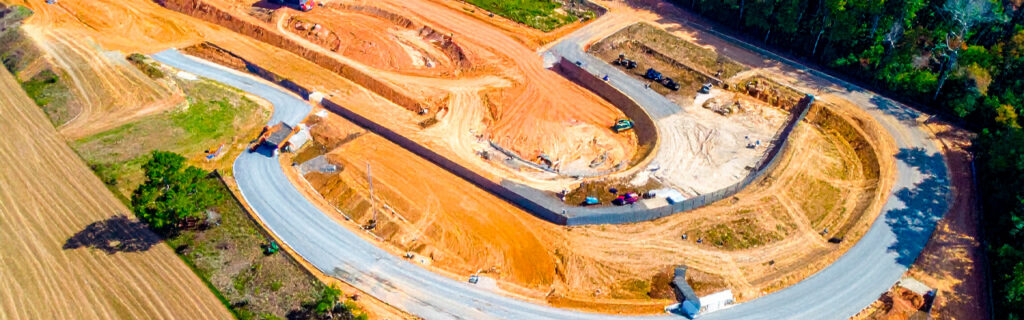
For property owners across Cherokee County, Ball Ground, and Canton managing rural acreage with improvement objectives and management requirements that span the property’s full extent rather than only the sections that current access conditions allow equipment and personnel to reach, understanding what practical access routes on North Georgia rural properties specifically require to serve the full range of management activities the land needs, how access improvements translate into management efficiency and property value gains that accumulate across the full ownership period, and how to evaluate what access improvements the specific property’s terrain, drainage, and use pattern require gives the practical foundation for approaching access development as the foundational investment in the property’s full usefulness rather than as a cost center without the direct return that the management efficiency and property development it enables actually represents across the full ownership period.
How Access Limitations Compound Into Management Failures
The management consequences of inadequate access on rural acreage compound across the seasons and years of property ownership in ways that make the total management failure cost attributable to access limitations substantially larger than the cost of the access improvements that would have prevented those failures from accumulating. Understanding specifically how access limitations compound into management failures gives property owners the framework for calculating the access improvement return on investment rather than treating access improvement as a cost without direct return that can be deferred until the access limitations become obviously unacceptable.
The most significant compounding effect of access limitations on rural acreage is the invasive species root energy accumulation that occurs in sections that access limitations prevent from receiving the mechanical clearing and herbicide treatment that invasive management requires. Each growing season that passes with invasive species in established sections producing above-ground growth without the mechanical treatment that would address it and the herbicide treatment that would deplete the root energy driving it adds to the root energy reserve that the invasive population’s subsequent management must overcome. A section that could have been maintained at manageable invasive density with annual professional treatment when the access limitations first prevented that treatment may require three times the treatment intensity three seasons later because the unchecked root energy accumulation across three unmanaged seasons has produced the established population that three-season root energy reserves drive at full vigor. The access improvement that would have enabled the annual treatment before this compounding occurred would have cost substantially less than the difference between the treatment intensity that the managed population required and the three-times-higher intensity that the three-season unmanaged population requires.
The second significant compounding effect is the fence infrastructure damage that access limitations allow to accumulate without the inspection and repair response that accessible fence line management would have provided. Fence damage from storm events, falling trees, and vegetation integration that access limitations prevent from being detected accumulates unreported and unrepaired across the seasons that the access limitation prevents inspection, and the accumulated damage that eventual inspection reveals when the access limitations are ultimately addressed is consistently more extensive and more costly to repair than the prompt repair that detection at the time of damage occurrence would have required. The access improvement that enables fence line inspection at the detection-and-prompt-repair frequency that adequate fence management requires produces the fence infrastructure repair cost savings that accumulate with each prevented damage accumulation event across the full ownership period that the access improvement serves.
What Practical Access Routes on Cherokee County Rural Properties Require
Practical access routes on North Georgia rural properties that serve the full range of management activities the property requires share specific design characteristics that distinguish them from routes that are merely passable under favorable conditions from routes that are reliably functional under the full range of seasonal conditions and management equipment requirements that effective rural property management generates. Understanding these characteristics gives property owners the evaluation framework for assessing whether existing access routes are practically adequate for the management the property requires or whether specific access improvements would produce meaningful management efficiency gains.
Year-Round Bearing Capacity Through Adequate Drainage Design
The most fundamental characteristic that distinguishes a practically useful rural access route from one that is conditionally useful under favorable conditions is the drainage design that maintains adequate ground bearing capacity through Cherokee County’s wet seasonal conditions rather than only during the dry conditions that most access routes can support regardless of their drainage design quality. A route that can support management equipment during August’s dry conditions but that becomes soft, rutting, and impassable during November’s wet conditions is a route that fails exactly during the fall management and improvement project season when access is most needed for the vegetation management, earthwork, and contractor mobilization that fall’s optimal improvement conditions make most productive.
Grading and excavation that establishes the crowned subgrade profile, functional side ditches, and correctly sized culverts at drainage crossings that together maintain the subgrade moisture content below the bearing capacity reduction threshold that saturated Cherokee County clay produces are the drainage design elements that year-round bearing capacity requires. Each of these drainage elements must be adequate for the actual drainage conditions at each specific route location, which is why drainage-adequate access route design requires the physical site assessment and post-rain observation that reveals actual drainage behavior rather than the dry-condition assessment that conceals the drainage challenges that wet seasons reveal but that adequate design must account for regardless of the observation timing that site assessment uses.
Width Adequate for the Heaviest Management Equipment
Practical access route width must accommodate the widest equipment that any anticipated management or improvement activity will require to navigate the route, because a route that is adequate for routine management vehicles but that cannot accommodate the professional forestry mulching equipment, the excavator transport trailer, or the agricultural equipment that specific management activities require limits those management activities to the sections of the property accessible through routes wide enough for them, potentially excluding significant property sections from the management activities those sections specifically require.
The practical width standard for rural access routes serving the full range of management activities that Cherokee County rural properties typically generate is twelve to sixteen feet of cleared corridor width for primary routes and ten to twelve feet for secondary trails, with wider turning areas at dead-end positions adequate for the widest equipment that the route serves to maneuver without the multi-point turning and backing maneuvers that insufficient turning space forces at significant time and operational complication cost. Establishing these width standards during initial access route development costs marginally more than the narrower standards that immediate use patterns might seem to justify, and produces the access infrastructure that serves all anticipated future management activities without the route widening cost that discovering width inadequacy at each subsequent management activity that requires more width than the initial route provided would generate across the full ownership period.
Overhead Clearance for Equipment Height and Safety
Overhead clearance along rural access routes affects both the equipment access that management activities require and the safety of personnel and equipment navigating through routes where overhanging dead branches or vegetation in contact with equipment create the hazard and damage conditions that adequate clearance management specifically prevents. Dead branches overhanging access routes that are within contact height of equipment transport loads or that are positioned above the route in conditions where wind loading during equipment operation could bring them into contact with personnel and equipment warrant removal before access route use by the management equipment that the overhanging branches create hazard conditions for. Living branches that extend across access routes to the contact clearance threshold during the growing season require annual clearance maintenance that addresses the extension growth before it produces the sustained equipment contact and debris deposit that contact with overhanging branches creates during equipment transit through the affected route section.
How Access Improvements Enable Specific Management Activities
Access improvements enable specific management activities on rural acreage by converting the currently inaccessible sections where those activities cannot be executed without equipment that access limitations prevent from reaching the work areas into accessible sections where the management activities can proceed at the efficiency and quality that adequate access enables. The specific management activities enabled by access improvements correspond to the specific management requirements of the property sections that the access improvements reach, and the management efficiency gains from those enabled activities accumulate with each management event that adequate access allows to occur on schedule and at the quality that access-limited alternatives consistently fall below.
Invasive Species Management at Adequate Frequency
Invasive species management across the full property extent at the treatment frequency that adequate root energy depletion requires is only achievable when access routes reach every managed section with the professional forestry mulching equipment and herbicide application equipment that the treatment program requires. Access improvements that extend professional equipment access to previously inaccessible sections enable those sections to receive the treatment frequency that produces progressive root energy depletion rather than the absence of treatment that compounding root energy accumulation produces. The management efficiency gain from this enabled treatment frequency is measured in the progressive reduction in treatment intensity that consistent root energy depletion produces across successive treatment seasons, converting the intensive restoration requirement of fully accumulated invasive populations into the lower-intensity maintenance requirement that progressively depleted populations require as the treatment program advances toward the sustainable management condition that only adequate treatment frequency from adequate access can achieve.
Fence Line Inspection and Infrastructure Repair
Fence line inspection and repair that detects and corrects damage promptly rather than allowing it to accumulate undetected through the seasons that access limitations prevent from being inspected is enabled by access improvements that provide the walkable, vehicle-accessible corridor condition that fence line management requires. Access routes along fence line corridors that allow ATV or vehicle travel at the speed that efficient fence inspection achieves across long fence line extents convert the fence line inspection from the physically demanding wade-through-vegetation activity that inadequate access imposes into the efficient vehicle-speed inspection that adequate access enables, making the fence inspection frequency that adequate fence management requires practically achievable rather than practically avoided because the inadequate access condition makes the inspection effort disproportionate to the available management time.
Timber and Resource Management in Interior Sections
Timber salvage from fallen trees, selective timber harvest from mature sections, and natural resource assessment that identifies the standing timber value and ecological conditions in interior sections are all management activities that access limitations prevent from being executed in sections that equipment cannot reach through routes that do not exist or that are inadequate for the equipment these activities require. Access improvements that extend equipment-capable routes into interior sections with significant timber resources enable the timber management activities that convert the standing and fallen timber value in those sections from unrealized potential into the actual timber value recovery that management requires to capture before decomposition, storm damage, or pest mortality converts the standing timber to the downed timber that cannot be economically salvaged from inaccessible interior sections without the access that would have enabled salvage at the time of fall.
How to Evaluate What Access Improvements a Specific Rural Property Requires
Evaluating what access improvements a specific rural property requires involves assessing the current access infrastructure against the management activities the property requires and identifying the specific gaps between current access capability and required management capability that access improvements should close. This evaluation is most productively conducted as a systematic property walk that specifically asks, at each management location and along each existing or proposed access route, whether the current access conditions allow the required management to be executed with the required equipment at the required seasonal timing at the efficiency that adequate access provides.
The evaluation should specifically identify the management activities that currently cannot be executed in specific sections due to access limitations, the sections that are currently inaccessible to professional management equipment due to insufficient route width, inadequate bearing capacity, or absence of any route reaching the section, and the management activities in currently accessible sections that are executing at below-adequate efficiency due to width constraints, turning space limitations, or bearing capacity inadequacy that specific access improvements would address. Each identified access gap represents a recurring management efficiency cost that accumulates with every management event affected by the gap, and the access improvement that closes the gap produces the recurring efficiency return that amortizes the access improvement investment across every subsequent management event through the remaining property ownership period.
Planning Access Routes for Both Current and Future Use
Access route planning on rural acreage that accounts for both the current management activities the routes will serve and the future improvement projects and use patterns that the property’s development vision will eventually require produces access infrastructure that serves the full ownership period without the revision costs that planning only for current use consistently generates before each subsequent improvement that needs more capable access than current-use planning provided. The primary access route that is currently sized for routine management vehicles but that the property owner eventually needs to support excavation equipment for pond construction, building site development, or major drainage correction must be upgraded to that standard before those projects can proceed, at the upgrade cost that initial construction to that standard would not have required.
Communicating the full property development vision to contractors designing access route improvements allows the route design to accommodate the full anticipated use program rather than only the current management activities that prompt the immediate access improvement discussion. A contractor who understands that a current trail development project will eventually need to support the forestry mulching equipment for food plot expansion, the ATV access for hunting season use, and the agricultural equipment for pasture management that the property owner’s full vision includes can design the trail width, drainage, and bearing capacity for the full use program rather than for the immediate management activity that the current project specifically addresses. This full-program access design produces routes that serve the complete vision without revision rather than routes that serve the immediate activity and require upgrading before each subsequent use that the vision includes beyond what the immediate activity required.
Frequently Asked Questions
How do I prioritize access improvements when multiple sections of my rural property have inadequate access?
Access improvements across multiple inadequately accessible sections should be prioritized by the management activities that adequate access would enable and the compounding consequences of continued access limitation in each section. Sections where access limitations are preventing management that compounds in required intensity with each additional unmanaged season, specifically invasive species management and fence line management, should receive access improvement priority over sections where access limitations are preventing management that does not compound at the same rate with continued deferral. Within the highest-compounding-consequence sections, the access improvement that provides access to the largest area and enables the most management activities per dollar of access improvement investment should receive priority over access improvements that serve smaller areas or fewer management activities for equivalent investment. The section whose access improvement enables access to adjacent sections beyond it, allowing the single access route to serve a connected management area rather than only the immediately accessible section, produces greater access improvement return than a section whose access improvement serves only the section itself without enabling access to adjacent sections beyond it.
What surface material is most practical for interior access routes on North Georgia rural acreage?
Surface material selection for interior access routes on Cherokee County rural acreage should match the route’s expected traffic intensity and the management equipment weight it must support to the surface material’s load bearing and drainage characteristics at the moisture conditions the route will experience during management use. Gravel surface on geotextile fabric over prepared subgrade provides the most reliable year-round bearing capacity for primary interior routes that professional management equipment including forestry mulching machines, excavators on transport trailers, and agricultural tractors must navigate, because the interlocked angular gravel particles provide the consistent bearing surface that prevents the rutting and subgrade degradation that heavy equipment on unprepared clay surface consistently produces during wet seasonal conditions. Secondary trails serving foot and ATV traffic can perform adequately with the natural wood chip mulch surface that forestry mulching corridor clearing deposits over the trail surface during the clearing operation, providing a surface that performs better than bare clay under the foot and ATV loads the trail serves without the gravel installation cost that heavier equipment routes require for year-round adequate bearing capacity.
How does improving interior access affect property value on Cherokee County rural acreage?
Improved interior access consistently affects Cherokee County rural property value positively through two mechanisms that each independently contribute to the value improvement that access infrastructure represents to buyers evaluating the property. The first mechanism is demonstrable management quality, because buyers evaluating rural properties with established interior access routes that show evidence of systematic management can directly observe the management access that has enabled the property’s current condition rather than inferring management potential from property boundary observation alone. A property with established interior routes reaching managed food plots, maintained fence lines, and actively managed vegetation sections presents its management quality directly to buyers who walk those routes during evaluation, while a property without interior access presents its management potential as inference from accessible boundary conditions that may significantly underrepresent what the inaccessible interior contains. The second mechanism is development potential accessibility, because buyers who intend to develop the property’s interior sections for building sites, agricultural use, or recreational improvements value the access infrastructure that makes those sections developable immediately rather than requiring access development investment before the intended improvements can begin. Rural acreage with established interior access that reaches the property’s development-suitable sections consistently commands higher per-acre pricing from buyers whose intended use requires access to those sections than equivalent acreage without the interior access those buyers would need to establish before their intended use could begin.
How do I determine whether an existing interior trail on my property needs improvement or replacement?
The determination of whether an existing interior trail needs improvement or replacement depends on whether the trail’s current condition limitations are addressable through improvement to the existing route or whether the limitations reflect fundamental design deficiencies that improvement cannot adequately correct without essentially rebuilding the route at its current location or establishing a new route at a better location. Width limitations from vegetation encroachment that improvement clearing can address, bearing capacity limitations from drainage design deficiencies that culvert and ditch maintenance or improvement can correct, and overhead clearance limitations from canopy extension that limbing can address are all improvement-appropriate limitations because they can be corrected without rebuilding the route’s alignment or subgrade. Bearing capacity limitations from subsurface conditions that drainage improvement cannot adequately correct, alignment problems that create grades exceeding safe management equipment operation, and drainage crossing positions that cannot be culverted at adequate size for the contributing watershed because the crossing geometry does not allow adequate culvert installation are limitations that may require route replacement at a better alignment rather than improvement at the current alignment that the design deficiency makes fundamentally inadequate regardless of the surface and maintenance improvements applied to it.
Ready to Improve Access on Your North Georgia Rural Acreage?
Rural acreage access improvements that reach previously inaccessible sections with the year-round reliable bearing capacity, adequate corridor width, and appropriate surface that management equipment requires produce the management efficiency gains that accumulate with every management event through the remaining ownership period rather than representing a one-time infrastructure cost without recurring return. The invasive management that access improvements enable at adequate frequency, the fence line inspection that access improvements enable at the detection-and-repair frequency that prevents damage accumulation, and the improvement project execution that access improvements enable without the preliminary access upgrade that inadequate access would otherwise require before each project that needs more capable access than the prior access infrastructure provided are each recurring returns on the access improvement investment that compound across the full ownership period into the total return that access improvements specifically generate by converting inaccessible acreage into the managed, developable, and fully useful acreage that the property deed includes but access limitations have been excluding from the property’s effective functional area.
Bardin Outdoors works with landowners across Ball Ground, Canton, Cherokee County, and North Georgia on access route development projects that establish the drainage design, corridor width, surface quality, and management equipment clearance that year-round practical rural property access requires, converting currently inaccessible acreage into the managed, usable, and developable land that adequate access enables it to become. To learn more about how Bardin Outdoors can help improve access on your North Georgia rural acreage, contact us.