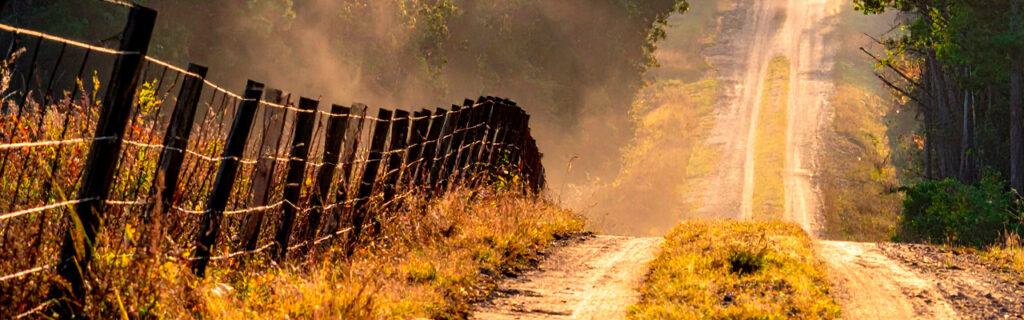
For property owners across Cherokee County, Ball Ground, and Canton managing fence lines that have been progressively reclaimed by vegetation, or planning how to keep newly installed fence lines from following the same trajectory, understanding how forestry mulching addresses fence line vegetation management, why it is specifically well-suited to fence corridor work, and what a year-round fence line maintenance approach produces over multiple seasons gives the practical foundation for treating fence line management as a systematic program rather than a reactive response to the point where vegetation has become too dense to ignore. The fence infrastructure represents a significant investment in the property’s boundary definition and agricultural function. Protecting that investment through consistent vegetation management is the approach that extends the fence’s functional service life and keeps the boundary it defines visible and useful rather than theoretical.
Why Fence Lines Are Particularly Vulnerable to Vegetation Encroachment
Fence lines create conditions that favor invasive species establishment and growth in ways that make their vegetation management more demanding than open area management. The fence posts and wire create physical structure that vines including wisteria, kudzu, and Japanese honeysuckle can climb immediately upon contact, accelerating their vertical growth by providing the support structure that would otherwise require them to develop a self-supporting stem before gaining height. The corridor along the fence line creates an edge zone between whatever land uses exist on either side, and edge zones concentrate invasive species establishment pressure because they receive both full sun and the seed rain from adjacent vegetated sections on both sides of the boundary.
The physical integration between established vegetation and fence infrastructure creates management challenges beyond the initial establishment. Privet stems growing through wire mesh, wisteria vines twisting around and between fence strands, and tree trunks pressing against wooden fence rails and posts cannot simply be mowed away with standard equipment once they have reached woody stem diameter without risking damage to the fence infrastructure that the vegetation has grown into and around. Standard rotary mowers that manage open area vegetation adequately cannot safely operate along fence wire, and the combination of woody invasive stems, fence wire, and fence posts creates the equipment hazard that keeps standard mowing from addressing fence line vegetation once it has progressed beyond the herbaceous stage.
Why Forestry Mulching Is Specifically Suited to Fence Line Work
Forestry mulching equipment is specifically well-suited to fence line vegetation management for several reasons that make it more appropriate for this application than alternative clearing methods that might seem simpler or less expensive when considered without reference to what fence line clearing actually requires.
Precision Operation Along Fence Infrastructure
Forestry mulching machines operate with the precision needed to process vegetation alongside fence wire, posts, and rails without the equipment collision risks that conventional clearing equipment including bulldozers and skid steers create when operating close to fence infrastructure. The cutting head that processes vegetation can be directed to clear the vegetation from the fence corridor while stopping just short of the fence components rather than pushing through the fence or compressing it as heavier equipment operating alongside it would risk doing. This precision allows the fence infrastructure to remain in place and intact while the vegetation integrated with it is cleared, rather than requiring the fence to be removed before clearing can proceed and reinstalled after the corridor is accessible, which adds substantial cost and disruption to what should be a straightforward maintenance operation.
Corridor Width Flexibility
Fence line clearing needs vary from narrow corridor clearing that simply opens the fence line to inspection and light maintenance access, to wider clearing that establishes a maintained setback zone on one or both sides of the fence that prevents immediate re-encroachment from the adjacent vegetation. Forestry mulching can be calibrated to the specific corridor width the fence line needs for its intended management purpose, clearing a defined width from the fence line in each direction that leaves the adjacent vegetation intact. This corridor width flexibility allows the clearing scope to match the management goal rather than being determined by equipment limitations that require either more or less clearing than the specific fence line management goal requires.
In-Place Processing Without Debris Management
The in-place processing that forestry mulching provides is particularly valuable for fence line clearing because fence line corridors run across significant linear distances where cut-and-haul debris management would require numerous staging locations, extensive hauling from the field locations to the property entrance, and substantial additional time and cost beyond the cutting work itself. Mulching processes the fence line vegetation into a ground-level mulch layer that remains in the corridor rather than creating debris piles requiring separate management, eliminating the logistical complexity that makes cut-and-haul clearing impractical for long fence line corridors even when it might be practical for small defined clearing areas elsewhere on the property.
Mulch Layer Benefits for the Cleared Corridor
The mulch layer deposited at the fence line corridor surface after mulching processing provides soil protection and temporary herbaceous growth suppression that benefits the cleared corridor in the period between clearing and the next growing season’s vegetation pressure. The mulch moderates soil temperature and moisture in the cleared corridor, slowing the establishment of early-season herbaceous growth that would otherwise begin immediately competing for the cleared corridor space. As the mulch decomposes, it improves the soil structure and organic matter content of the corridor, contributing to conditions that favor the establishment of managed low-growing ground cover that provides longer-term weed suppression than bare soil or compacted ground would.
What Fence Line Mulching Actually Achieves and Reveals
Beyond the vegetation removal that is the immediate goal of fence line mulching, the clearing work achieves and reveals several additional outcomes that have direct practical value for the property owner managing the cleared fence line going forward.
Full Infrastructure Inspection Access
The most immediate outcome of fence line clearing is that the full extent of the fence infrastructure becomes physically accessible and visually inspectable for the first time since the vegetation last obscured it. Posts that have rotted at the soil line, wire that has been broken or displaced by tree fall or wildlife pressure, sections where wire tension has been lost from post failure, and areas where fence height has been reduced by accumulated debris can all be identified and documented once the clearing provides access to the corridor and visibility along its full length. This inspection access is the starting point for the fence maintenance program that keeps the infrastructure in service, and it cannot happen when the vegetation has grown to the point that the fence line cannot be physically walked or adequately observed.
Fence Damage Assessment From Prior Vegetation
Clearing vegetation that has been integrated with fence infrastructure for multiple seasons typically reveals damage that the vegetation’s weight, mechanical pressure, and the work of removing the integrated stems have collectively created. Wire that was under pressure from growing stems wound around it may show deformation or breakage when that pressure is released by clearing. Posts that were held in position partly by the pressure of vegetation against them may reveal their actual stability condition once that vegetative bracing is removed. Sections of fence buried under accumulated debris and soil may be discovered to have corroded or deteriorated more than their above-ground sections would have suggested. Identifying this accumulated damage through post-clearing inspection allows the fence repair scope to be planned and budgeted before the repair season rather than discovered as a continuing problem that was inaccessible for assessment when the vegetation was in place.
Boundary Visibility Restoration
Property boundaries that have been obscured by vegetation growing across and over the fence line are restored to visible, definable form when the vegetation is cleared and the fence infrastructure re-emerges as the physical boundary marker it was installed to be. This boundary visibility matters practically for the conversations with adjacent property owners that boundary clarity supports, for the understanding of where the property ends that guides management activities near the boundary, and for the deterrence function that a visible boundary fence provides against encroachment that an invisible fence buried in vegetation cannot serve.
How Seasonal Timing Affects Fence Line Mulching Outcomes
Fence line mulching can be executed during any season when ground conditions allow equipment access to the corridor, and different seasonal windows offer different advantages for fence line clearing work that property owners can take advantage of based on their specific management goals and the equipment access conditions on their properties.
Late Fall and Winter Clearing
Late fall and winter is the most commonly recommended window for fence line clearing on Cherokee County properties because dormant vegetation has its lowest above-ground biomass of the year, making this the season when mulching equipment processes the most linear footage per operating hour along fence line corridors. Leafless deciduous shrubs and trees allow the operator to see the fence infrastructure clearly through the dormant vegetation rather than working through a visual screen of summer foliage, reducing the risk of equipment contact with fence components and making the clearing work more efficient. Ground conditions during dry stretches of late fall and winter can be adequate for equipment operation, and late winter clearing positions treated fence line sections for the spring herbicide treatment window when resprout growth from the cleared invasive species will be at the optimal stage for effective chemical treatment.
Summer Clearing for Immediate Access Restoration
Summer fence line clearing is appropriate when the corridor has reached the point of being functionally impassable for inspection and maintenance during the current season and when waiting for the preferred fall or winter window would leave fence infrastructure inaccessible and unmanageable through the remainder of the growing season. Summer clearing encounters higher vegetation biomass than dormant-season clearing and requires more machine time per linear foot, but it restores the corridor access and fence inspection capability that may be needed before fall to identify and repair damage before winter weather stresses the fence infrastructure. Summer clearing also positions the treated corridor for a follow-up herbicide application within the same growing season, capturing additional root energy depletion from the invasive resprout populations before the season ends.
Building a Year-Round Fence Line Management Program
The most effective fence line vegetation management is not a single clearing event followed by a return to unmanaged conditions, but a program of recurring mechanical clearing combined with targeted herbicide treatment of resprout growth that progressively depletes the root energy reserves of the invasive species driving the vegetation encroachment. This program approach produces fence line corridors that become easier to manage with each treatment cycle as root reserves decline rather than corridors that must be reclaimed at full intensity each time because the same root systems reproduced the same dense growth that the prior clearing removed.
Mechanical Clearing on a Recurring Schedule
The mechanical clearing interval that maintains a fence line corridor in accessible, manageable condition depends on the invasive species pressure, the vigor of resprout growth following each clearing cycle, and what level of vegetation density the property owner considers acceptable before the corridor needs to be cleared again. For most Cherokee County fence lines with established privet and wisteria populations, annual mechanical clearing is needed to prevent return to impassable density within the growing season following treatment. For fence lines where herbicide treatment of resprouts has been applied consistently and where root energy reserves are depleting over successive seasons, the interval between mechanical clearing events can extend progressively as regrowth vigor declines, eventually reaching a point where biennial or less frequent mechanical treatment maintains acceptable corridor conditions.
Targeted Herbicide Treatment of Resprouts
The period following mechanical clearing is when the vegetation management program either begins accumulating progressive improvement in root energy depletion or simply resets toward the same dense growth that the prior clearing removed. Targeted herbicide application to invasive species resprouts when they reach six to twelve inches of height, typically four to eight weeks after mechanical clearing under active growing conditions, is the most efficient follow-up management action available. Herbicide at this application timing moves effectively through the plant’s active vascular system into the root reserves that sustain resprout growth, depleting those reserves further than mechanical clearing alone accomplished. Property owners who apply targeted herbicide treatment to fence line resprouts between professional mechanical clearing cycles capture the root energy depletion progress that mechanical clearing alone does not achieve, progressively reducing the management intensity the fence line requires over successive seasons.
Annual Fence Infrastructure Inspection After Clearing
Integrating a systematic fence infrastructure inspection into the routine immediately following each mechanical clearing event takes advantage of the corridor access that the clearing has just created and produces the most current and most complete picture of fence condition available at any point in the year. Documenting inspection findings with photographs and written notes after each clearing allows fence repair needs to be inventoried and budgeted before the clearing corridor is reoccupied by vegetation, and gives the fence repair schedule a reliable current-condition baseline that inspections attempted through vegetation cover cannot provide. This clearing-triggered inspection rhythm is the fence maintenance discipline that converts a fence line maintenance program from reactive crisis management of failures discovered after they have propagated into a preventive program that catches developing failures while they are still minor and inexpensive to address.
What Fence Lines on Different Property Types Benefit Most From Mulching
Fence line mulching delivers value across a range of property types and fence functions, and understanding which fence line categories benefit most from the approach helps property owners prioritize the fence lines that deserve recurring management investment over those that may be lower-priority for a systematic program.
- Livestock perimeter fence lines: These fence lines have the most direct functional consequence from vegetation compromise because livestock containment and predator exclusion depend on the fence maintaining its physical integrity across its full extent. Vegetation damage to wire tension, post stability, and fence height directly undermines these containment functions in ways that are most consequential when livestock pressure tests the weakened sections. Regular mulching that maintains corridor access and enables systematic infrastructure inspection prevents the undetected damage accumulation that livestock fence lines with no management program consistently experience.
- Property boundary fence lines adjacent to wooded sections: These fence lines experience the most aggressive invasive species encroachment from the established populations in the adjacent woodland and represent the most significant boundary definition investment on properties where the fence line is the primary visible evidence of the property boundary. Their management is more demanding than fence lines in open areas, and the mulching approach that can operate alongside the fence infrastructure in wooded terrain without requiring the fence to be removed is particularly valuable in these locations.
- Interior division fence lines that separate different use areas: Fence lines separating pasture from woodland, separating different livestock areas, or separating managed and unmanaged sections of larger properties need to remain functional and accessible for the management activities that their boundary function supports. Interior fence lines that become vegetated lose their practical value as functional boundaries and become obstacles to the management work that crosses or follows them, which is the same loss of function that perimeter fence lines experience when vegetation integrates with them without management.
- Boundary fence lines along rural roads: Fence lines visible from roads represent the property’s presentation to the public and to adjacent property owners, and vegetation-obscured road-adjacent fence lines create both a visual impression of unmanaged property and a practical hazard where vegetation growing over or into the road right-of-way may create sight distance or overhead clearance issues. Regular mulching that maintains these fence lines visible and the corridor between fence and road clear serves both the property’s appearance and the practical management of the fence infrastructure’s road-adjacent relationship.
How Fence Line Mulching Compares to Alternative Management Approaches
Property owners evaluating fence line vegetation management options have alternatives to forestry mulching that may seem simpler or less expensive when considered without full accounting of what each alternative requires to execute effectively over multiple seasons on a Cherokee County rural property.
Manual cutting with hand tools and chainsaws achieves precise fence-adjacent work without equipment collision risk but is impractical at the linear scale that most rural property fence lines represent. Clearing hundreds or thousands of feet of established privet and wisteria growth by hand is a labor investment that most property owners cannot sustain, and the pace of manual clearing does not match the pace of growth reestablishment, making manual management alone progressively less effective as vegetation density increases.
Herbicide-only treatment applied as a basal bark or cut-stump treatment to fence line vegetation kills established stems but leaves standing dead material that takes years to fall and that creates its own management challenges as it dries and becomes brittle debris in the fence corridor. This standing dead material is eventually processed by decomposition, but the years-long intermediate condition of dead woody material standing in the fence corridor is not the accessible, functional condition that fence line management is trying to maintain.
Brush clearing equipment including skid steers with brush head attachments can address fence line vegetation but creates greater equipment-to-fence collision risk than forestry mulching equipment when operating immediately alongside fence wire, particularly in sections where the fence is buried in or against dense established vegetation. This collision risk is the practical limitation that makes forestry mulching the more appropriate tool for the precise corridor clearing that mature vegetation integrated with fence infrastructure requires.
Frequently Asked Questions
How far from the fence line should mulching clear on each side to provide adequate management corridor?
The appropriate clearing width on each side of the fence depends on what the fence line management program needs the corridor to provide. A corridor wide enough for a person to walk alongside the fence and inspect it from both sides requires approximately four to six feet of clearance on the accessible side. A corridor wide enough to allow vehicle or equipment access for fence post driving, wire stretching, and repair work requires eight to twelve feet on the working side. A buffer setback that reduces the pace of reencroachment from adjacent invasive vegetation benefits from clearing ten to fifteen feet from the fence on the side with the highest invasive pressure, creating a zone where reestablishing plants must develop before they again reach the fence rather than having established stems immediately adjacent to the wire. Discussing the specific fence line management goals with the mulching contractor before work begins allows the clearing width to be calibrated to what the specific fence line needs rather than applying a single-width standard regardless of the different corridor access and buffer requirements at different sections of the property’s fence network.
Will the mulching equipment damage fence wire or posts during the clearing operation?
Professional forestry mulching operators experienced in fence line work understand the equipment clearances needed to process vegetation along fence infrastructure without contacting the fence components. The cutting head can be directed to clear up to the fence line and stop before reaching the wire and posts rather than processing through them. Fence sections that are particularly vulnerable, including low-tensioned wire sections, damaged post areas, or fence infrastructure that is buried within dense vegetation and therefore less visible to the operator, should be flagged before work begins so the operator can approach those sections with additional caution. Minor contact with fence wire during heavy vegetation processing is possible and does not typically damage wire of adequate gauge and tension, but identifying known vulnerable sections for the operator before work begins minimizes this risk during the clearing operation.
How quickly will vegetation reestablish in the cleared fence line corridor after mulching?
Vegetation reestablishment in the cleared corridor begins within four to eight weeks of mechanical clearing under active growing conditions as invasive species root systems produce resprout growth. Without herbicide treatment of resprouts, the corridor returns to functionally limiting density within one to two growing seasons for most Cherokee County fence lines with established privet and wisteria populations. With targeted herbicide treatment of resprouts applied when they reach six to twelve inches of height, the reestablishment rate is slowed and the root energy reserves driving resprout vigor are progressively depleted over successive treatment cycles. The practical expectation for a fence line management program is that mechanical clearing is needed annually in the early program phases, with the interval extending gradually as herbicide follow-up accumulates root energy depletion over successive seasons and as resprout density and vigor measurably decline compared to the initial post-clearing growth.
Can fence line mulching be combined with fence repair work in the same project phase?
Combining fence line clearing and fence repair in the same project phase is generally the most efficient approach when both are needed, because the clearing provides the corridor access that repair work requires and eliminates the need for a separate mobilization to clear the corridor before repair can begin. Scheduling the clearing first and the repair work immediately following in the same project week or month takes advantage of the corridor access that clearing creates while that access is current and before vegetation reestablishment begins. The inspection that clearing reveals the fence infrastructure for also produces the repair scope that the fence repair phase needs to address, making the clearing-inspection-repair sequence within a single project period the most integrated and most cost-efficient approach to addressing both fence line vegetation and fence infrastructure condition simultaneously.
What is the most cost-effective way to manage a large property’s fence network with limited annual maintenance budget?
A prioritized approach that identifies the highest-consequence fence line sections and addresses them first within available budget produces better outcomes than spreading limited budget across the full fence network at insufficient treatment intensity to maintain any section adequately. Livestock perimeter fence lines whose compromise would allow containment failure should receive the highest budget priority. Property boundary fence lines adjacent to the most aggressive invasive vegetation pressure should receive the next priority. Interior division fences and decorative boundary fences that have lower functional consequence from vegetation compromise can be deferred to subsequent budget cycles without the immediate management consequences that deferring the higher-priority sections would create. This prioritized approach concentrates available budget where its return is highest and defers lower-priority sections without creating the functional problems that equal-budget distribution across all sections at inadequate treatment intensity would produce across the full fence network.
Ready to Restore and Maintain Your Property’s Fence Lines?
Fence lines buried in overgrowth are not simply unsightly. They are fence infrastructure that cannot be inspected, cannot be effectively maintained, and is accumulating vegetation-driven damage that grows more expensive to address with each season it continues without the management that would have prevented it. Forestry mulching of fence line corridors restores the access and visibility that fence infrastructure requires to be maintained effectively, processes the vegetation that has integrated with the fence without the equipment collision risks that alternative clearing methods present alongside fence wire and posts, and establishes the cleared corridor from which a consistent follow-up management program can build progressively toward the reduced management burden that root energy depletion produces over successive treatment seasons.
Bardin Outdoors works with property owners across Ball Ground, Canton, Cherokee County, and North Georgia on fence line clearing and property boundary vegetation management projects that restore accessible, inspectable fence corridors and support the systematic maintenance programs that keep those corridors manageable across multiple seasons. To learn more about how Bardin Outdoors can help your property’s fence lines through forestry mulching and vegetation management, contact us.