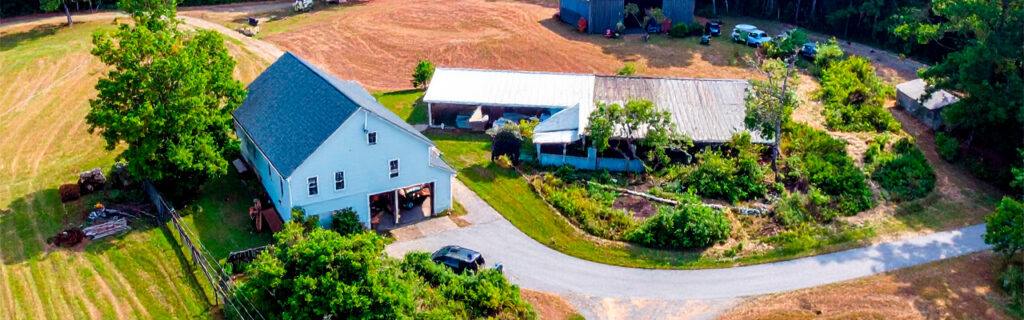
For property owners across Ball Ground, Canton, Cherokee County, and North Georgia managing residential and rural properties where the vegetation around existing sheds, barns, outbuildings, equipment storage structures, and other established site features has accumulated to the density and height that the structure’s access, visibility, and maintenance are specifically limited by the vegetation rather than the structure’s inherent accessibility, visibility, and maintainability that the structure possesses without the vegetation limitation that the accumulated perimeter growth imposes, understanding how thoughtful land clearing around existing structures specifically improves access, visibility, and maintenance without the unnecessary vegetation removal that treating all structure-adjacent vegetation as equally warranting clearing would impose on the natural character that the vegetation not creating the access, visibility, and maintenance limitation continues contributing to the structure’s setting, understanding what the thoughtful clearing approach that distinguishes problem vegetation from character vegetation involves in specific planning and execution terms, and recognizing the common vegetation-structure relationships that most commonly warrant the clearing that restores the structure’s functional accessibility, maintenance visibility, and operational usability gives the complete guide for approaching structure-perimeter clearing as the targeted, thoughtful practice that restoring specific functional limitations requires rather than the comprehensive perimeter clearing that treating all adjacent vegetation as equally warranting removal would apply without the functional limitation assessment that distinguishes what should be cleared from what should be retained.
Why Vegetation Around Structures Creates Specific Functional Limitations
The functional limitations that vegetation around existing structures creates are not the generic inconveniences that any nearby vegetation creates for any nearby structure but the specific access, visibility, and maintenance limitations that the particular vegetation’s position, density, and height relative to the specific structure element that the vegetation is affecting creates as the functional problem that thoughtful clearing specifically addresses by removing the vegetation creating the specific limitation without removing the vegetation adjacent to the structure that is not creating the access, visibility, or maintenance limitation that the clearing is intended to address.
Access limitations from structure-adjacent vegetation are the functional problems that the vegetation physically prevents the structure from being entered, exited, and used at the frequency and convenience that the structure’s intended function requires by placing the vegetation density between the accessible approach path and the structure’s entry points, around the structure’s operating areas, and along the access routes between the structure and the adjacent areas that the structure’s operation requires to be accessible from the structure without the navigation difficulty that the vegetation between the structure and those areas imposes. Visibility limitations from structure-adjacent vegetation are the functional problems that the vegetation prevents the structure’s exterior condition from being observed from the adjacent areas where condition monitoring should be routinely possible without the special effort that penetrating or navigating around the vegetation between the observation position and the structure surface requires when the vegetation prevents the observation from being casually performed at the incidental observation timing that routine property use provides without the special monitoring visit that observing through or around the vegetation specifically requires. Maintenance limitations from structure-adjacent vegetation are the functional problems that the vegetation prevents the maintenance operations that the structure’s long-term performance requires from being conducted at the structure surface positions that the vegetation physically blocks from the tools, equipment, and access that maintenance requires to reach those positions.
How Vegetation Affects Access to Sheds, Barns, and Outbuildings
Access limitations from structure-perimeter vegetation on Cherokee County residential and rural properties most commonly affect the approach paths, entry points, and operational areas around sheds, barns, and outbuildings that the accumulated vegetation has progressively narrowed, blocked, or eliminated as the access elements that the structure’s intended function requires to be clear for the frequency and ease of access that the structure’s use demands.
Approach Path Encroachment
The approach paths between the main property circulation areas and the structure’s entry points are the access elements that vegetation encroachment from both sides progressively narrows from the comfortable walking or equipment-navigation width that the path originally provided toward the contact width that the encroached vegetation creates as the physical interference with the person or equipment moving along the narrowed path toward the structure entry. Specifically walking each approach path to each structure while observing the path’s effective clear width at the narrowest positions the approach passes through, noting where the path width has been reduced to below the comfortable walking or equipment width that the path’s intended traffic requires, identifies the encroachment positions that clearing specifically should address without necessarily clearing the entire vegetation area adjacent to the path that is not creating the approach path limitation that the clearing is specifically responding to. The cleared path that the targeted approach path encroachment clearing creates restores the accessible approach width without removing the vegetation on both sides of the path that is not within the path’s required clear width and that the path’s natural setting benefits from retaining adjacent to the approach that reaches the structure through the cleared width rather than the compressed or closed width that the encroachment had created.
Door and Entry Point Obstruction
The entry points of sheds, barns, and outbuildings require the clear zone immediately in front of the door opening that allows the door to swing fully open without contacting the vegetation that approach encroachment or foundation perimeter vegetation has established within the door’s swing radius. Vegetation that has established within the door’s swing radius prevents the door from fully opening, creating the access limitation that reduces the opening from the full door width to the partial opening that the vegetation contact stops the door at before the full opening position. The targeted clearing that removes the vegetation within the door’s full swing radius restores the full opening access without requiring the clearing of vegetation beyond the swing radius that is not creating the opening obstruction that the swing-radius clearing specifically addresses. Additionally, tall vegetation that has grown to the height that places it above the door’s head clearance position creates the canopy contact limitation that ducks-required entry imposes on the structure’s use frequency and the tall equipment or material entry that the full-height opening accommodates without the canopy obstruction that the tall vegetation creates above the door position.
Operational Area Around Agricultural Structures
Barns and agricultural structures require the operational area around the structure that allows the equipment, vehicles, and livestock that the structure serves to maneuver around the structure exterior during the loading, unloading, and operational activities that the structure’s agricultural function involves. Vegetation that has advanced into the operational area from the surrounding woodland, field edge, or structure foundation creates the equipment maneuvering constraint, vehicle turning radius limitation, and livestock handling area reduction that the operational vegetation advance imposes on the agricultural structure’s functional use at the operational area that its agricultural use requires around the structure perimeter. The thoughtful clearing of the operational area vegetation that specifically removes the vegetation that has advanced into the operational zone while retaining the vegetation beyond the operational zone that the structural function does not require to be clear for the operational activities the structure supports restores the operational area to the functional extent the structure’s agricultural use requires without the comprehensive perimeter clearing that treating the full surrounding area as operational zone would impose on the vegetation that the agricultural use does not require to be cleared beyond the specific operational zone.
How Vegetation Affects Visibility and Condition Monitoring
Visibility limitations from structure-perimeter vegetation affect the routine condition monitoring that the structure’s maintenance program requires from the observation positions adjacent to the structure that the vegetation between those positions and the structure surface specifically prevents from providing the visual access the condition monitoring needs to assess the structure’s exterior condition from the adjacent positions that routine property use naturally provides as the casual condition monitoring timing that the vegetation access limitation converts to the special monitoring visit that observing through or around the vegetation specifically requires.
Foundation and Sill Visibility
The structure foundation and sill boards at the structure’s lowest exterior positions are the maintenance-critical elements that moisture damage, wood decay, pest entry, and foundation settlement first express as the observable indicators that foundation and sill condition monitoring specifically targets at the close-proximity observation that the structure foundation requires from the positions immediately adjacent to the foundation perimeter. Vegetation at the foundation perimeter that prevents the close-proximity foundation observation from the positions immediately adjacent to the foundation by placing the vegetation between the observation position and the foundation creates the visibility limitation that the foundation condition monitoring cannot overcome without the vegetation removal that restores the close-proximity foundation observation from the adjacent positions. Thoughtful clearing of foundation perimeter vegetation that specifically targets the plants established within the observation zone immediately adjacent to the foundation while retaining the plants beyond the foundation observation zone that the condition monitoring does not require the observation from restores the foundation condition monitoring access without the comprehensive perimeter clearing that extending the clearing beyond the foundation observation zone would impose on the vegetation that the foundation monitoring does not require the clearing of.
Roofline and Upper Structure Visibility
The roofline and upper structure exterior that require periodic condition monitoring from the observation positions at distances that provide the elevated view angle that roofline condition assessment requires from the ground are the structure elements that adjacent tree canopy overhanging the roofline specifically conceals from the ground-level observation that would otherwise reveal the roofline condition at the positions the canopy covers. Targeted removal of the branches that extend over the roofline at the canopy positions that specifically obscure the roofline from ground-level observation restores the roofline observation from the ground positions that the overhanging canopy was preventing from providing the elevated view that the roofline condition assessment requires. The observation restoration that canopy branch removal at the specific obscuring positions provides does not require removing the full adjacent tree or the full canopy but specifically the branches at the overhanging positions that the roofline observation requires to be clear for the ground-level view that the obscuring canopy was preventing from revealing the roofline conditions at the obscured positions.
How Vegetation Affects Maintenance Operations Around Structures
Maintenance limitations from structure-perimeter vegetation affect the specific maintenance operations that the structure’s long-term performance requires at the exterior surface positions that the maintenance tools, equipment, and personnel must physically reach to conduct the maintenance that the structure’s performance depends on receiving at the frequency that adequate maintenance scheduling provides.
Painting and Exterior Surface Treatment Access
Exterior painting, staining, and surface treatment operations that the structure’s wood and metal exterior requires at the maintenance intervals that the specific materials demand for the weather protection that the surface treatment provides require the physical access to the exterior surface from the positions around the structure that allow the brush, roller, or spray application equipment to reach the surface from the adjacent positions. Vegetation that has established within the application access zone between the maintenance equipment’s working position and the exterior surface creates the physical barrier that prevents the application equipment from reaching the surface from the conventional application positions, requiring either the vegetation navigation that the application attempts through the established plants or the vegetation removal that the access restoration specifically provides for the application operation that follows the clearing. Thoughtful clearing of the application access zone vegetation that specifically removes the plants within the zone that the application equipment requires to reach the surface from the conventional application positions restores the maintenance operation access without removing the vegetation beyond the application access zone that the maintenance operation does not require clearing for the application that the access zone clearing specifically enables.
Moisture Management and Drainage Maintenance
The drainage maintenance that the structure’s foundation drainage requires from the annual inspection and clearance of the drainage paths and gutters that direct water away from the foundation perimeter depends on accessing the foundation perimeter drainage elements from the adjacent positions that the foundation drainage inspection and maintenance requires to reach the drainage paths, downspouts, and foundation perimeter grade that the drainage maintenance assesses and clears at each inspection. Vegetation at the foundation perimeter that grows against the structure’s siding, into the downspout splash blocks, and across the perimeter drainage grade specifically creates the moisture retention, drainage blockage, and foundation perimeter observation limitation that the vegetation’s contact and coverage of the drainage infrastructure imposes on the foundation moisture management that the structure’s performance depends on the drainage infrastructure maintaining. The targeted clearing of foundation perimeter vegetation that removes the plants in contact with the structure siding, the downspout drainage paths, and the perimeter drainage grade specifically addresses the moisture management limitation that the contact and coverage creates without the comprehensive perimeter clearing that extending the clearing beyond the contact and drainage coverage zone would impose on the vegetation that the moisture management does not require clearing beyond those specific positions.
Pest and Rodent Entry Point Management
Vegetation in contact with the structure exterior provides the pathways that insects, rodents, and other pests use to access the structure interior from the adjacent vegetation through the contact points where the vegetation bridge between the outdoor vegetation and the structure exterior allows the pests to move from the outdoor vegetation into the structure at the contact positions. Maintaining the clear zone between the structure exterior and the adjacent vegetation that eliminates the vegetation contact points that the pest pathway uses eliminates the vegetation bridge pathways that pests exploit without the comprehensive perimeter clearing that extends the vegetation removal beyond the contact zone that pest management requires. This vegetation contact clearance is most practically implemented as the periodic maintenance trimming that keeps the vegetation at the distances from the structure exterior that prevent contact rather than the comprehensive clearing that removes all adjacent vegetation to distances greater than pest management requires from the contact zone maintenance that specifically addresses the pest pathway without the comprehensive clearing the pest management does not require beyond the contact zone distances.
The Thoughtful Clearing Approach: What to Clear and What to Retain
The thoughtful clearing approach that improves structure usability without unnecessarily removing vegetation requires the functional limitation assessment that identifies what the clearing is specifically intended to address and the vegetation evaluation that distinguishes the vegetation creating the specific limitation from the vegetation adjacent to the structure that is not creating the limitation and should be specifically retained rather than removed along with the problem vegetation that the clearing is intended to address.
Before any clearing equipment arrives at the structure perimeter, specifically walking around the full structure exterior from close proximity and identifying every position where the vegetation is creating an access limitation, a visibility limitation, or a maintenance limitation that thoughtful clearing should address establishes the clearing scope that the specific functional limitations define rather than the comprehensive clearing that clearing the full structure perimeter regardless of whether the full perimeter vegetation creates the limitations that the clearing is intended to address. Each identified limitation position should be specifically documented with a dated photograph that shows the vegetation creating the limitation and the structure element that the limitation affects, providing the clearing contractor with the visual evidence of the specific limitation positions that the clearing should address rather than the general instruction to clear around the structure that the contractor would implement as the comprehensive perimeter clearing without the specific limitation documentation that the thoughtful clearing approach requires from the pre-clearing functional limitation assessment.
The vegetation evaluation that distinguishes what should be cleared from what should be retained specifically identifies the native trees, native shrubs, and established plantings that are not creating the functional limitations the clearing is addressing and that the structure’s setting benefits from retaining rather than removing along with the problem vegetation. A mature native oak at the corner of the barn that provides summer shade to the barn’s south-facing wall without creating access, visibility, or maintenance limitations at the barn perimeter is a retention candidate that the thoughtful clearing preserves rather than removes as the collateral vegetation loss that comprehensive perimeter clearing would create from the clearing scope that the functional limitation assessment does not include the oak’s removal as necessary for addressing the limitations the clearing specifically intends to resolve. The flagging tape at five to six feet of height on each identified retention candidate before the clearing contractor arrives translates the retention intent into the field instruction that the contractor’s equipment navigation requires at each retention candidate’s position during the active clearing rather than the verbal instruction that active clearing speed makes too imprecise to reliably translate into the specific navigation decisions at each retention candidate’s position during the clearing that the retention flagging specifically guides.
Frequently Asked Questions
How far from the structure exterior should clearing extend to adequately address access, visibility, and maintenance limitations?
The clearing distance from the structure exterior that adequately addresses access, visibility, and maintenance limitations is specifically determined by the limitation type and the functional requirement that the clearing distance must achieve for each limitation type rather than a uniform distance that applies to all limitation types regardless of the specific functional requirement each type creates for the clearing that addresses it. Foundation visibility monitoring requires the close-proximity observation zone immediately adjacent to the foundation at the distance that allows the foundation surface inspection from the adjacent positions, typically three to five feet from the structure exterior that the inspector requires for the close-proximity assessment. Entry door clearance requires the swing radius plus the approach width at each door position, typically eight to twelve feet from the door in the approach direction that the door swing and the entry approach width together require. Operational areas around agricultural structures require the distance that the specific equipment the structure serves requires for turning, maneuvering, and operational positioning, which varies with the largest equipment the structure serves from the compact equipment that requires modest operational zones to the large agricultural equipment that requires the substantial operational area that its turning radius and operational positioning demands. The functional requirement that each limitation type creates as the clearing distance that addresses it is the clearing scope that the thoughtful clearing approach applies rather than the uniform comprehensive distance that extends the clearing to the same distance from the structure regardless of whether that distance addresses the specific limitations the clearing is intended to resolve or clears beyond what the limitations’ resolution requires at the distances each limitation’s resolution specifically needs.
Does clearing around structures require the same approach as general land clearing or are there specific techniques for structure-adjacent clearing?
Clearing around existing structures requires the additional operational precision that the structure’s proximity to the clearing work specifically creates as the constraint that general land clearing away from structures does not impose at the same consequence for the structure’s integrity. The cutting head proximity to the structure exterior that forestry mulching and mechanical clearing must specifically manage to avoid contact with the structure surface, foundation, windows, doors, and roofline creates the operational precision requirement that structure-adjacent clearing imposes on the clearing approach that equipment operators without specific structure-adjacent clearing experience may not consistently maintain at the precision that the structure’s proximity demands from the clearing operation. Forestry mulching equipment operators with specific experience clearing adjacent to structures have developed the cutting head approach angle management and debris discharge direction control that the structure proximity requires to avoid the structure contact that inexperienced structure-adjacent operation creates from the cutting head’s reach radius and debris discharge trajectory that the proximity to the structure makes specifically consequential at the structure surface positions that contact would damage. Additionally, hand clearing tools including loppers, pruning saws, and manually operated equipment that allows the precise plant-by-plant removal the structure foundation perimeter requires from the clearing that removes specific plants at specific positions without the equipment-width clearance requirement that mechanical clearing equipment imposes at the structure proximity positions where hand tools can reach the specific plants requiring removal without the equipment’s minimum clearance requirement.
What ongoing maintenance is needed after structure-perimeter clearing to prevent the same vegetation from returning to the limitation-creating condition?
The ongoing maintenance that prevents structure-perimeter vegetation from returning to the limitation-creating condition after the initial clearing depends on the vegetation type that the clearing addressed and the root energy that the vegetation’s established root systems retained after the mechanical clearing that removed the above-ground vegetation without removing the root system that drives the resprout. Established invasive species including privet and wisteria that the clearing addressed from the established stage will produce the vigorous resprout from the intact root systems that the clearing did not remove, requiring the combined herbicide and mechanical maintenance program that root energy depletion specifically requires for the progressive resprout vigor reduction that the combined program produces across the successive growing seasons of the depletion program. Annual herbicide treatment of invasive resprout at the six to twelve inch height during the active growing season when vascular transport efficiency for herbicide movement to root reserves is highest, combined with owner-operated mowing between herbicide applications to maintain the cleared condition, specifically depletes the root energy that the resprout draws from and progressively reduces the resprout vigor that each successive growing season produces as the depletion accumulates. Native vegetation that the clearing retained as the thoughtful clearing’s retention candidates should be specifically identified during the post-clearing maintenance walk to prevent the maintenance program from inadvertently treating the retained native plants as the invasive resprout that the maintenance program is specifically targeting at the positions where the invasive resprout and the retained native plants both express the growing-season growth that the maintenance program must distinguish between to avoid treating the retained native plants as the invasive resprout the herbicide is specifically intended for rather than the native plants that the thoughtful clearing approach specifically preserved.
Are there situations where clearing around structures should not be done or where a different approach serves the structure better?
Several situations warrant the alternative to structure-perimeter clearing as the more appropriate approach to the vegetation-structure relationship that the specific situation presents. Established vines on outbuildings that have been intentionally cultivated as the decorative element that the vine’s controlled growth provides for the structure’s aesthetic character are not the invasive vegetation creating the functional limitations that thoughtful clearing addresses but the managed plant that the clearing should specifically avoid treating as the problem vegetation the clearing is targeting at the uninvited invasive plants that have established without the property owner’s cultivation intent. Mature native trees adjacent to structures that provide the summer shade that reduces the structure’s interior temperature during Cherokee County’s hot summers are structural assets that the shade-benefit evaluation should specifically consider before clearing the tree as the limitation-creating vegetation, because the access, visibility, or maintenance limitation that the tree’s position creates at the structure may be more productively managed through the specific canopy management that removes the limitation-creating branches while retaining the shade-providing canopy than through the full tree removal that eliminates both the limitation and the shade benefit that the tree’s position provides to the structure’s use. Historic or legacy plantings at historic outbuildings that establish the designed landscape relationship between the structure and its planted setting represent the cultural resource that the clearing should specifically evaluate for preservation before treating as the problem vegetation the clearing intends to address without the historic or legacy planting consideration that preservation planning specifically requires from the clearing scope that includes positions where historic or legacy plantings are present at the structure perimeters that the clearing is intended to improve.
Ready to Clear Around the Structures on Your North Georgia Property?
The vegetation around existing sheds, barns, outbuildings, and other structures on Cherokee County residential and rural properties that has accumulated to the density and height that the structure’s access, visibility, and maintenance are specifically limited by the vegetation is vegetation that thoughtful clearing specifically addresses by removing what the functional limitation assessment identifies as creating the specific limitations the clearing is intended to resolve while specifically retaining what the evaluation identifies as not creating those limitations and as worth preserving in the structure’s setting that the retained vegetation continues contributing to after the clearing that has specifically addressed the limitations the retained vegetation is not creating. The approach path encroachment that the clearing restores to the comfortable walking or equipment-navigation width, the entry door clearance that the clearing restores to the full swing radius that the door requires for the full opening access, the foundation visibility that the clearing restores for the close-proximity condition monitoring that adequate foundation maintenance depends on, and the operational area that the clearing restores for the agricultural use that the barn or outbuilding serves are each the specific functional improvements that the thoughtful clearing provides from the targeted scope that the functional limitation assessment defines rather than the comprehensive perimeter clearing that treating all adjacent vegetation as equally warranting removal would impose on the structure setting that the vegetation not creating the limitations specifically contributes to.
Bardin Outdoors works with property owners across Ball Ground, Canton, Cherokee County, and North Georgia on the thoughtful clearing around existing structures that the functional limitation assessment defines as the specific scope addressing the access, visibility, and maintenance limitations that the accumulated vegetation creates at the structure perimeter positions where the clearing restores the functional usability the structure possesses without the vegetation limitation that the clearing specifically removes from the structure’s perimeter at the scope the functional limitation assessment determines as the thoughtful clearing that improves the structure’s usability without removing the vegetation not creating the limitations the clearing is specifically addressing. To learn more about how Bardin Outdoors can help clear around the structures on your North Georgia property, contact us.