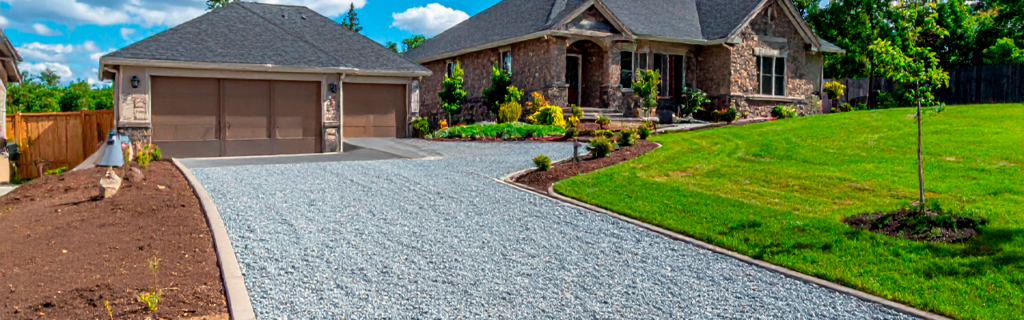
For homeowners in Ball Ground, Canton, Cherokee County, and North Georgia, taking time to plan a safe and functional driveway layout can improve access, protect your property, and reduce long-term problems.
Why Driveway Layout Matters
A well-designed driveway provides safe entry and exit, supports vehicle traffic, and helps manage water flow across your property.Without proper planning, driveways can develop ruts, washouts, or drainage issues that require frequent repairs.
Key Factors to Consider Before Installation
1. Entrance Location
Choosing the right entry point affects visibility, safety, and how easily vehicles can access your property.Consider road conditions, slope at the entrance, and available space for turning in and out.
2. Slope and Elevation
Driveways built on steep or uneven terrain require careful planning.Proper slope helps prevent water from running down the driveway and causing erosion or washouts.
3. Drainage Planning
Managing water flow is one of the most important parts of driveway design.Proper grading and drainage features help keep the surface stable and reduce long-term maintenance.
4. Turning Radius and Width
A functional driveway needs enough space for vehicles to turn safely.This is especially important for larger vehicles, trailers, or delivery access.
5. Base Preparation
A stable base is essential for long-term durability.Professional grading and excavation ensures the ground is properly prepared before gravel is installed.
Common Mistakes to Avoid
- Placing the entrance in a low or poorly drained area
- Ignoring slope and elevation changes
- Not allowing enough space for turning
- Skipping proper base preparation
- Overlooking drainage features
Benefits of a Well-Planned Gravel Driveway
- Improved vehicle access and safety
- Better drainage and reduced erosion
- Longer-lasting surface with less maintenance
- More usable space for parking and turning
- Enhanced overall property functionality
Frequently Asked Questions
How wide should a gravel driveway be?
It depends on usage, but most residential driveways need enough width for safe vehicle access and turning.Do gravel driveways need drainage?
Yes. Proper drainage is essential to prevent erosion and maintain a stable surface.Can a driveway be installed on a slope?
Yes, but it requires careful grading and drainage planning to prevent washouts.Why is base preparation important?
A strong base supports the gravel and helps prevent shifting, ruts, and uneven surfaces.Ready to Improve Your Property Access?
Planning your driveway layout carefully can save time, reduce maintenance, and improve safety for years to come.To learn more about how Bardin Outdoors can help your property with driveway preparation and site work, contact us.