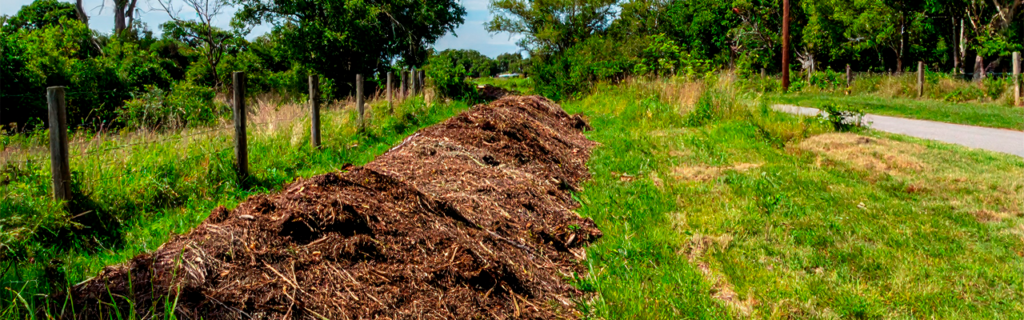
For property owners in Ball Ground, Canton, Cherokee County, and North Georgia, forestry mulching offers an efficient way to manage overgrowth while minimizing ground disturbance around fence areas.
Why Fence Line Overgrowth Becomes a Problem
Vegetation near fences can spread quickly, especially during warmer months with frequent rainfall.Overgrown fence lines may hide damage, reduce visibility, trap moisture, and make regular maintenance more difficult.
How Forestry Mulching Helps Maintain Fence Lines
1. Clears Dense Brush and Vines
Forestry mulching equipment can process thick brush, invasive vines, and small saplings growing along fences.This helps reopen areas that may have become difficult to reach or inspect.
2. Improves Visibility
Clearing vegetation around fence lines improves visibility across the property.Better visibility may also help identify damaged fencing, fallen trees, or drainage problems earlier.
3. Helps Maintain Property Access
Overgrowth can block access routes along fences and property boundaries.Mulching creates cleaner pathways that are easier to navigate for maintenance or inspections.
4. Minimizes Ground Disturbance
Unlike some traditional clearing methods, forestry mulching typically leaves a protective mulch layer behind.This can help reduce soil disturbance and erosion around fence areas.
5. Supports Long-Term Property Maintenance
Routine vegetation management can help reduce future overgrowth and simplify fence maintenance over time.Fence lines that stay accessible are easier to inspect after storms or seasonal growth changes.
Where Fence Line Mulching Is Commonly Used
- Rural property boundaries
- Pasture fencing
- Wooded acreage
- Farm and agricultural properties
- Trail and access road borders
- Large residential lots
Additional Benefits of Forestry Mulching
In some projects, mulching is also combined with selective land clearing or drainage improvements to help maintain larger sections of the property.Mulching may also improve visibility for future tree removal or site access work if needed later.
Frequently Asked Questions
Can forestry mulching clear vines and brush?
Yes. Forestry mulching is commonly used to clear dense vegetation and small growth around fence lines.Does mulching damage the soil?
Forestry mulching is often chosen because it helps minimize heavy ground disturbance.Why is fence line visibility important?
Clear visibility helps property owners inspect fencing, monitor damage, and maintain easier access.Can overgrowth affect fence maintenance?
Yes. Thick vegetation can trap moisture, hide damage, and make repairs more difficult.Need Help Managing Overgrown Fence Lines?
Forestry mulching can help improve access, visibility, and long-term maintenance around property boundaries and fencing.To learn more about how Bardin Outdoors can help your property with vegetation management and forestry mulching, contact us.