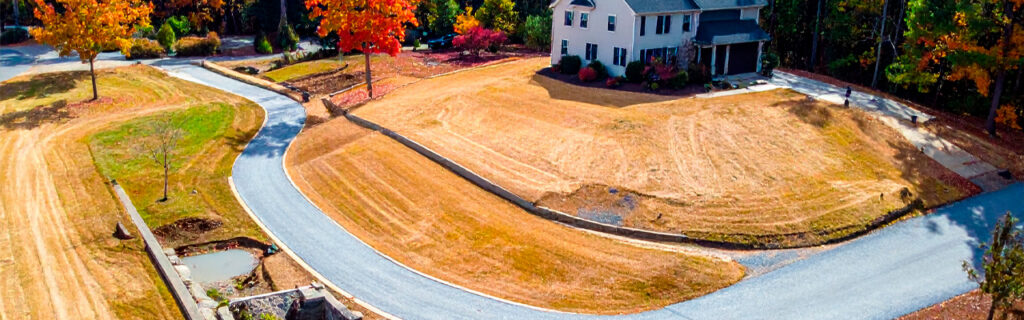
For homeowners across Ball Ground, Canton, Cherokee County, and North Georgia whose residential properties present the uneven areas, settling soil conditions, drainage problems, and property use changes that the growing season and summer storm loading have revealed or created during the months since the last grading assessment, understanding why fall is specifically the practical time to reevaluate the property’s grading needs before planning the grading work that the reevaluation’s findings warrant, what the specific grading conditions that fall’s transitioning conditions make most identifiable look like in observable terms, how the property use changes that summer’s activities reveal as the functional limitations the current grading creates for the uses the owner expects from the outdoor spaces warrant the reevaluation that fall’s conditions most productively enables, and how to connect the fall reevaluation’s findings to the grading planning that serves the identified conditions most specifically gives the complete practical guide for approaching the fall grading reevaluation as the organized assessment that the most effective pre-winter grading and excavation planning most productively begins from.
Why Fall Is Specifically When Grading Conditions Become Easier to Identify
Fall’s grading identification productivity comes from three specific seasonal transitions that together make the fall timing more diagnostically productive for grading condition identification than any other seasonal timing in the annual cycle.
Ground cover transition from the lush summer growth toward fall’s dormancy progressively exposes the soil surface at the settling, depression, and drainage failure positions that the summer’s ground cover was partially concealing from the ground-level observation that close-proximity soil surface assessment requires. The summer lawn’s dense ground cover that filled the small depressions and masked the subtle grade changes that the spring’s settling created beneath the growing-season cover begins thinning toward fall’s dormancy at the timing that exposes those surface conditions to the close-proximity observation that fall’s transitioning ground cover specifically enables without the full ground cover exposure that the dormant-season eventually achieves. The soil surface that fall’s ground cover transition progressively reveals at the depression, settling, and drainage failure positions is the surface that the fall grading reevaluation most specifically accesses for the close-proximity condition identification that the summer’s dense ground cover was limiting to the above-ground condition expression that grass color, surface unevenness, and drainage accumulation provided without the direct soil surface access that fall’s transitioning cover begins restoring to the close-proximity observation the conditions require.
Full-season condition accumulation that the growing season has produced at each grading-relevant position has reached its annual maximum expression by fall, making fall the timing when the settling that spring’s compaction inadequacy initiated and summer’s moisture cycling advanced has reached the current settlement magnitude that the fall reevaluation captures at the most advanced current expression rather than the intermediate expression that an earlier-season reevaluation would have captured before the growing season’s additional months of moisture cycling advanced the settlement further toward the fall maximum that the full-season condition accumulation has produced.
Post-summer storm drainage pattern revelation that the fall rain events provide through the post-rain behavioral drainage observation that the fall storm season’s rain events create as the behavioral assessment opportunity reveals the actual drainage behavior at the current grading conditions that dry-condition observation cannot characterize at the behavioral accuracy that the post-rain observation specifically achieves from the observed drainage flow and accumulation that the rain event produces at the grading conditions’ positions during the rain event that dry-condition observation cannot replicate from the terrain-shape inference that it substitutes for the behavioral observation the post-rain timing specifically enables.
Identifying Uneven Areas This Fall
Uneven areas that the growing season has revealed through the maintenance challenges, drainage accumulations, and outdoor use limitations that the uneven conditions created during the summer months are identifiable in fall through the specific visual, physical, and behavioral assessment activities that fall’s transitioning conditions and storm events enable for the uneven condition identification that the fall grading reevaluation specifically targets.
Lawn Surface Irregularities and Drainage Depressions
Walk the full lawn area systematically during or within twenty-four hours of a fall rain event, specifically observing the positions where surface water accumulates rather than draining away from the lawn surface toward the surrounding drainage outlets that the lawn’s grading should be directing the rainfall toward. The positions where standing water persists on the lawn surface after the surrounding lawn positions have drained and dried indicate the topographic low points where the lawn’s uneven surface creates the drainage collection that the standing water’s persistence specifically reveals as the grading deficiency the post-rain observation identifies at those positions. Note each standing water accumulation position with a dated photograph that captures the standing water’s extent and the surrounding lawn surface that has already drained, providing the visual evidence of the drainage collection position that the grading correction should specifically address. The fall rain events that the fall storm season delivers to the lawn surface specifically enable the standing water accumulation observation that reveals these drainage depressions at the accumulation positions that the rain event’s drainage behavior makes visible, providing the post-rain drainage observation that the fall reevaluation most productively conducts within twenty-four hours of the fall storm events that the September and October storm season delivers to the lawn surface conditions that the standing water accumulation reveals as the grading deficiencies the fall reevaluation is specifically identifying.
Outdoor Living and Use Area Levelness
Evaluate the levelness of outdoor living and use areas by specifically placing furniture at the current outdoor surface positions and observing whether the furniture sits level, stable, and comfortable or whether the surface’s grade creates the furniture instability, tilting, and discomfort that uneven surface conditions impose on the outdoor use that the level surface the outdoor living area was graded to provide has departed from through the settling and erosion that the years of use and seasonal moisture cycling have progressively produced from the level starting condition the original grading created. Summer’s outdoor living season has been the specific use period that has been revealing the levelness limitations at the outdoor furniture placement positions where the uneven conditions the fall reevaluation should specifically identify have been imposing the wobbling furniture, the tilted table surfaces, and the uncomfortable seating positions that the grading correction should eliminate by restoring the level grade that the outdoor living use requires from the corrected surface. The fall reevaluation’s outdoor living area assessment that specifically evaluates each furniture placement position for the levelness that the outdoor use requires from the current surface condition documents the positions where the surface has departed from the level grade that the outdoor use requires, creating the grading correction scope that the fall reevaluation specifically identifies as the improvement the correction should address for the winter and subsequent outdoor seasons.
Identifying Settling Soil Conditions This Fall
Settling soil conditions at prior fill placement positions that the seasonal moisture cycling has been progressively advancing from the below-specification compaction that the original fill placement created toward the lower-density equilibrium that the progressive consolidation under load and moisture cycling is producing are identifiable in fall through the surface expression changes and drainage pattern alterations that the settling has created from the original grade condition that the fill placement was intended to maintain against the settlement that the below-specification compaction allows.
Foundation Perimeter Settlement and Grade Reversal
Walk the full foundation perimeter during or immediately after a fall rain event, specifically observing the direction that surface water flows at each perimeter section to confirm whether the water flows outward away from the foundation or accumulates at the perimeter in the drainage direction that the grading reversal from settling has created from the outward drainage direction the original grading had established. The foundation perimeter section where surface water accumulates against the foundation or moves toward the foundation rather than away from it during the rain event specifically reveals the grade reversal that perimeter settling has produced from the outward drainage that the original grading established as the drainage direction that the settling has reversed. Dated photographs of the standing water accumulation at the foundation perimeter during or after the fall rain event provide the visual evidence of the drainage reversal that the grading correction should address at the settled perimeter sections that the post-rain observation specifically identified as the positions where the settlement has reversed the drainage grade from the outward drainage direction that the foundation moisture management requires from the corrected perimeter grade that the fall reevaluation has identified as the grading need the perimeter settling has created.
Surface Depression Development at Prior Fill Positions
Examine the outdoor pads, parking areas, and graded surfaces adjacent to structures that the prior grading or fill placement created as the level or gently graded surfaces that the specific outdoor uses required from the original grading. The surface depressions that settling has created at the prior fill positions express as the visible surface lows at the fill positions where the settlement has created the depression surface profile that departs from the original level or gently graded profile that the prior grading had established at those positions. Running a straight edge across the suspected depression positions or pouring a small amount of water on the surface at the suspected depression positions to observe the flow direction that the surface’s current grade creates from the water’s movement toward or away from the suspected depression confirms the depression character of the settled surface positions that the visual inspection suspects as the grading deficiency the settlement has created. Fall’s transitioning ground cover that progressively exposes the soil surface at the depression positions that the summer’s dense growth was partially concealing enables the closer observation of the depression surface profile that the exposed soil surface provides for the fall reevaluation’s settling condition identification at the prior fill positions that the growing-season cover was limiting the close-proximity depression observation at.
Identifying Changes in Property Use That Reveal Grading Needs
Changes in how the property is used that summer’s activities have revealed as the functional limitations the current grading creates for the uses the homeowner expects from the outdoor spaces are identifiable through the summer use pattern’s revealed limitations that fall’s reevaluation retrospectively documents as the use-revealed grading needs the improvement program should address.
Mowing Equipment Safety and Access Limitations
Review the summer’s lawn mowing experience for the positions where the current slope conditions required the hand-mowing substitution for the riding mower that the slope exceeded the safe operating gradient for, or the positions where the mowing equipment had to navigate at the reduced speed and special care that the slope’s proximity to the safe operating limit imposed on the mowing operation at those positions rather than the normal operating speed and approach that adequate grade conditions allow throughout the full lawn area. The slope positions that the summer mowing season identified as the unsafe or equipment-limited mowing conditions are the grading correction candidates that slope reduction at those positions would specifically address by reducing the current slope toward the safe mowing gradient that the reduced grade would provide from the current slope that exceeds the safe operating threshold the mowing equipment’s design establishes for the safe operation that the slope reduction creates from the current unsafe or equipment-limited condition. Documenting the specific slope positions that the summer mowing revealed as unsafe or equipment-limited with the location and approximate slope direction that the mowing limitation created at each position provides the grading correction scope information that the fall reevaluation’s mowing limitation documentation specifically identifies as the slope reduction improvement the mowing safety requires from the corrected grades that grading at those positions creates from the current slopes that the summer mowing specifically revealed as the mowing limitation the fall reevaluation documents.
New Use Areas That the Current Grade Cannot Support
Identify any areas of the property that the summer’s activities revealed as potential use areas that the current grading conditions prevent from serving the intended use. The area adjacent to the home’s rear door where the homeowner repeatedly attempted to use outdoor furniture during the summer but found the current slope prevents stable furniture placement is a level pad grading candidate that the summer’s repeated furniture placement attempts specifically identified as the grading need at that position. The area adjacent to the detached garage where the summer’s parking pattern repeatedly required the special care navigation around the soft, muddy section that poor drainage created is a drainage correction grading candidate that the summer’s repeated parking navigation issues specifically identified as the grading and drainage need at the parking area’s problematic section. These use-pattern-revealed grading needs that the summer’s activities specifically identified at the positions where the current grading prevented the intended use from proceeding without the special care, navigation around, or substitution that the current grading imposed on the use that the corrected grading would enable without the impositions that the current conditions require from the use pattern that the summer’s activities specifically revealed as the functional limitations the fall reevaluation documents as the grading improvement the property’s use program requires from the corrected conditions the grading would create.
Evaluating the Driveway and Access Route Grading This Fall
Driveway and access route grading evaluation in fall covers the crown profile condition, surface drainage behavior, and bearing capacity performance that the summer traffic loading and summer storm events have produced at the current grading conditions, identifying the maintenance items that fall and winter rain events will test against the current infrastructure adequacy if fall’s grading maintenance has not specifically addressed the identified deficiencies before the testing that fall and winter deliver.
Drive or walk the primary driveway from the road connection to the home during or within twenty-four hours of a fall rain event, specifically observing where surface water flows outward to the ditch lines as the adequate crown drainage that the driveway’s grading should be producing and where surface water accumulates on the travel surface as the drainage failure that the crown profile’s deterioration has created at the accumulation positions. The travel surface positions where water accumulates during the rain event rather than draining to the ditch lines identify the crown profile deterioration that fall grading maintenance should restore before winter’s more intensive rainfall delivers the same drainage loads to the same travel surface positions at the higher intensity that winter’s rainfall applies to the positions that the fall crown profile restoration would have corrected before the winter testing that the fall maintenance specifically prepares for. Any access route positions where the summer traffic loading has created the ruts, surface depressions, or soft bearing capacity failures that the summer’s use and the summer’s wet events have produced at those positions should be documented in the fall reevaluation as the grading maintenance candidates that the access route’s year-round reliable bearing capacity requires from the corrective grading that those positions need before winter’s wet conditions test the maintenance against the bearing capacity challenge that the wet season specifically creates at those positions.
Connecting the Fall Reevaluation to Grading Planning
The fall grading reevaluation’s findings across uneven areas, settling soil conditions, property use limitations, and access route grading conditions translate into the grading planning that the fall improvement window most productively serves through the contractor conversations, project prioritization, and preliminary work that the fall planning enables from the reevaluation’s documented findings.
Contractor conversations initiated from the fall reevaluation’s documented findings, sharing the dated post-rain photographs and written condition descriptions that the reevaluation produced as the specific current-condition evidence for the grading scope conversations, produce the most accurate scope estimates and approach recommendations that the contractor’s regional expertise applies to the specific documented conditions rather than the general property description that conversations without the reevaluation documentation require. The contractor who reviews the post-rain photographs of the standing water at the foundation perimeter, the surface depression at the outdoor pad’s settled positions, and the rut and surface water at the access route’s crown-deteriorated sections arrives at the site visit with the condition awareness the documentation provides, specifically addressing the documented conditions’ grading needs rather than discovering them during the site visit that the documentation enables the contractor to approach from the documented condition knowledge rather than the fresh site assessment from scratch. Fall grading’s compaction timing advantage that Cherokee County clay’s optimum moisture content window in the late-summer through fall period provides for specification density achievement should be specifically discussed in the contractor conversation as the scheduling rationale that the fall timing advantage creates for the grading that the reevaluation has identified as warranted before winter’s above-optimum moisture that spring grading encounters makes the same grading project more difficult to compact to specification density.
Frequently Asked Questions
How do I determine whether the grading conditions I’ve identified in the fall reevaluation need immediate fall correction or can wait for spring?
Determining whether the identified grading conditions need immediate fall correction or can wait for spring requires evaluating the specific consequence that the winter delivers to the uncorrected condition relative to the consequence that waiting for spring creates from the winter’s testing of the uncorrected condition. Foundation perimeter grade reversals that the fall reevaluation has identified as directing moisture toward the foundation specifically need fall correction before winter because winter’s rainfall that the uncorrected reversal delivers to the foundation zone through the months between the fall correction opportunity and the spring correction opportunity specifically advances the clay volume change loading and moisture accumulation at the foundation that the fall correction would have prevented winter from delivering. The winter’s months of rainfall to the foundation’s moisture accumulation position that the grade reversal creates from the fall’s uncorrected condition is the consequence that the spring correction opportunity cannot prevent from having occurred by waiting for the spring timing that the fall correction specifically prevented from developing. Access route crown profile deterioration that the fall reevaluation has identified as accumulating surface water creates the bearing capacity failure risk that winter’s wet season specifically delivers to the deteriorated positions at the intensified rainfall that winter’s wet season provides to the positions the fall crown restoration would have corrected before the winter testing. Conditions that can appropriately wait for spring without the winter’s consequential delivery include outdoor living area levelness issues that summer’s furniture stability revealed as the functional limitation that winter’s reduced outdoor use season does not specifically test against the same outdoor use frequency that summer’s outdoor living imposed on the level surface that the current season’s settling has departed from without the winter’s outdoor living delivery of that consequence that spring’s outdoor season specifically initiates from the spring correction opportunity that waiting specifically preserves.
Can the fall grading reevaluation be conducted by the homeowner or does it require a professional assessment?
The fall grading reevaluation that identifies the conditions warranting grading correction can be effectively conducted by the homeowner without professional assessment for the identification stage that the reevaluation’s purpose specifically serves, with the professional contractor assessment that follows the homeowner’s identification stage providing the scope estimation, approach recommendation, and drainage design that the identified conditions’ correction requires from the professional expertise that the correction design specifically needs beyond the condition identification that the homeowner’s reevaluation can specifically provide. The homeowner’s fall reevaluation activities including the post-rain standing water observation at the lawn, outdoor pads, and foundation perimeter, the summer mowing limitation review, the outdoor furniture placement levelness assessment, and the post-rain access route drainage behavior observation are all activities that the homeowner can conduct with the observational attention and the post-rain timing that the reevaluation’s effectiveness requires from the homeowner’s willingness to specifically conduct the assessment at the post-rain timing that the behavioral observation depends on rather than the dry-condition observation that would miss the drainage failure and accumulation evidence that the post-rain timing specifically reveals. The professional contractor assessment that follows the homeowner’s identification stage uses the documented reevaluation findings as the condition-specific context for the scope estimate and approach recommendation that the contractor’s regional expertise applies to the specific conditions the homeowner’s reevaluation has identified, allowing the contractor conversation to focus on the correction approach and scope rather than the condition identification that the homeowner’s reevaluation has already specifically provided.
What documentation from the fall grading reevaluation is most useful for contractor conversations about correction planning?
The most useful fall grading reevaluation documentation for contractor conversations about correction planning is the post-rain photographs of the specific drainage failure and accumulation positions that the rain events revealed as the behavioral evidence of the grading conditions, because the post-rain photograph of the standing water at the foundation perimeter or the travel surface accumulation at the crown-deteriorated driveway section provides the behavioral drainage evidence that the contractor’s scope estimate and approach recommendation most specifically requires from the visual documentation of the actual drainage behavior rather than the dry-condition terrain description that verbal communication without the post-rain photograph substitutes for the behavioral evidence at the lower specificity that the contractor’s drainage correction design requires from the behavioral evidence the post-rain photograph specifically provides. The post-rain photographs should be taken within twenty-four hours of a significant fall rain event from positions that capture both the standing water or drainage accumulation’s extent and the surrounding context that allows the contractor to assess the accumulation position’s relationship to the foundation, the driveway surface, or the outdoor use area that the drainage accumulation is affecting at the documented position. Written notes accompanying each photograph should describe the drainage accumulation’s persistence after the rain event, whether the accumulation is new this season or has been occurring across multiple seasons, and the approximate size of the accumulation area at the specific position the photograph documents, providing the temporal and magnitude context that the contractor’s scope estimate requires from the written condition description that the photograph’s visual evidence is supplemented by for the complete condition documentation that the contractor conversation most specifically uses.
Are there grading conditions that the fall reevaluation commonly identifies that homeowners often mistake for non-grading problems?
Several grading conditions that the fall reevaluation commonly identifies are frequently mistaken for non-grading problems because the symptom that the grading condition produces appears to be the problem itself rather than the grading condition that the symptom is specifically expressing as the observable evidence of the underlying grading deficiency. The lawn section that dies back every summer despite adequate rainfall and fertilization is commonly attributed to soil quality, shade, or lawn disease rather than the drainage collection at the topographic low that the grade deficiency creates as the chronically wet soil condition that the lawn’s die-back is specifically expressing as the consequence of the drainage accumulation that the grading deficiency allows at the die-back position. The outdoor furniture that wobbles and sits unevenly despite replacement with new furniture is commonly attributed to uneven furniture construction rather than the graded surface’s departure from level that the furniture’s uneven seating is specifically expressing as the consequence of the surface grade’s unevenness that the furniture instability is accurately reflecting from the graded surface rather than the furniture’s construction quality. The driveway’s chronic muddy softness at a specific section that persists longer than adjacent sections after rain events is commonly attributed to different soil conditions or shading at that section rather than the crown profile’s deterioration at that section that allows the drainage accumulation at the surface that maintains the elevated soil moisture and soft bearing capacity that the muddy section is specifically expressing as the consequence of the crown profile’s drainage failure at the accumulation position the crown restoration would correct.
Ready to Reevaluate Your Property’s Grading This Fall?
The fall grading reevaluation that systematically identifies the uneven areas, settling soil conditions, property use limitations, and access route grading deficiencies that the growing season and summer storm events have produced at their annual maximum expression provides the documented condition picture that the fall grading planning most specifically benefits from as the condition-specific basis for the contractor conversations, project prioritization, and grading work scheduling that the fall improvement window’s compaction timing advantages and pre-winter testing opportunities most productively serve. The post-rain behavioral drainage observation that reveals the standing water at the drainage failure positions, the furniture placement levelness assessment that reveals the outdoor use surface’s departure from the level grade the use requires, the summer mowing limitation review that reveals the slopes that the safe operating gradient requires correction of, and the access route crown profile drainage observation that reveals the deterioration positions that winter’s drainage loads will test against the uncorrected crown together provide the fall grading reevaluation’s complete condition picture that the fall grading planning produces the most accurately scoped and most appropriately approached correction from when the planning proceeds from the reevaluation’s documented findings rather than the general awareness that grading conditions have changed since the last assessment without the specific condition documentation that the fall reevaluation’s organized assessment produces as the planning basis that the correction design most specifically requires.
Bardin Outdoors works with homeowners across Ball Ground, Canton, Cherokee County, and North Georgia on fall grading and excavation corrections that address the uneven areas, settling soil conditions, foundation perimeter drainage reversals, outdoor use surface levelness departures, and access route crown profile deteriorations that the fall grading reevaluation’s post-rain behavioral observations and full-season condition assessments identify as the grading improvements the property’s conditions and use program specifically require from the correction timing that fall’s compaction moisture advantages and pre-winter testing opportunities most productively serve. To learn more about how Bardin Outdoors can help reevaluate and correct your property’s grading this fall, contact us.