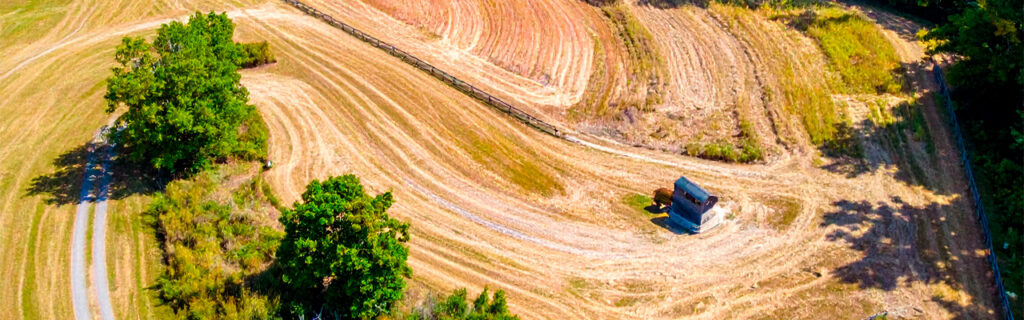
For property owners across Cherokee County, Ball Ground, and Canton managing large residential and rural properties where the trail networks, interior access routes, and driveway systems that connect the public road to the managed areas, improvement sites, and remote property sections determine how efficiently and how cost-effectively the full property can be managed and improved across the ownership period, understanding what specifically makes rural property access practical for large property maintenance rather than merely passable for favorable-condition navigation, how practical access creates specific maintenance efficiency improvements that compound across recurring management events, and what the access improvements that most significantly improve large property maintenance efficiency involve gives the foundation for approaching access development as the management efficiency investment it specifically represents rather than the infrastructure overhead that treating access improvements as costs without management efficiency returns consistently leads property owners to underinvest in at the expense of the per-event management cost additions that adequate access investment would have eliminated from every subsequent management event.
What Makes Rural Property Access Practical Rather Than Merely Passable
The distinction between practical access and merely passable access is not a distinction that the access route’s appearance during favorable conditions reveals, because access routes that are practical for large property maintenance and access routes that are merely passable under the most favorable conditions can look equivalent from casual dry-condition observation while performing fundamentally differently under the management equipment, seasonal moisture, and recurring use frequency conditions that large property maintenance applies to the access infrastructure that serves it.
Practical access provides the year-round reliable bearing capacity that the management equipment the property requires can navigate without the wet-season bearing capacity failure that Cherokee County clay without adequate drainage design consistently produces at elevated moisture content. Practical access provides the corridor width that the widest management equipment any maintenance activity the route serves will require can navigate without the preliminary mowing or clearing that inadequate corridor width imposes before the primary management equipment can reach the work area. Practical access provides the overhead clearance that eliminates vehicle and equipment contact at the route’s full traffic height throughout the route’s length. Practical access provides the maximum grades within the safe operating limits of the management equipment under wet-condition traction rather than only under the favorable dry-condition traction that inadequate grade management creates as the limiting condition that wet seasons expose as unsafe. And practical access provides the turning radius and staging space at each work area approach that the management equipment requires to position efficiently for the work at each destination rather than the constrained approach that inadequate staging space forces the management equipment to navigate at reduced efficiency before beginning the work that the access should have delivered it efficiently to.
Merely passable access provides some but not all of these practical access characteristics, creating the conditions that allow the access to be navigated under favorable circumstances while imposing the management cost additions, maintenance inefficiencies, and scheduling limitations that the missing practical access characteristics create at every management event when those characteristics’ absence is discovered rather than avoided through the adequate development that practical access achieves from the beginning rather than the upgrade that discovering the missing characteristics forces at additional cost and disruption after the access was developed to the merely passable standard that the inadequate characteristics created.
How Year-Round Bearing Capacity Transforms Large Property Maintenance
Year-round reliable bearing capacity is the single access characteristic whose presence or absence most dramatically affects large property maintenance efficiency, because it determines whether management activities can be scheduled when the management calendar requires them or only when the access conditions happen to support the equipment the activities require, which on Cherokee County clay without adequate drainage design means only during the dry-season windows that wet-season bearing capacity failure restricts scheduling to rather than the full annual management calendar that year-round reliable access makes available.
How Cherokee County Clay Creates Seasonal Bearing Capacity Variation
Cherokee County clay’s bearing capacity is moisture-dependent, providing firm, stable support for management equipment at the low moisture content that summer dry conditions produce while reducing toward the soft, rutting, impassable conditions that elevated moisture content creates at the clay saturation that fall and winter rainfall produces on routes without the drainage design that maintains subgrade moisture below the bearing capacity reduction threshold. The management equipment that navigates the same trail without difficulty in August may find the same trail entirely impassable in November when autumn rainfall has elevated the clay moisture to the bearing capacity failure level at the trail’s undrained positions. This seasonal bearing capacity variation specifically restricts large property maintenance scheduling to the dry-season windows when access is reliable, eliminating the fall, winter, and early spring management calendar from the effective scheduling window for the management activities that require the equipment that the wet-season access conditions prevent from reaching the work areas those activities must address.
The management activities most productively executed during the wet-season months that adequate drainage design specifically restores to the management calendar include dormant-season forestry mulching that benefits from the lower biomass and clearer conditions that dormancy provides, fall herbicide follow-up treatment of late-season invasive resprout at the active-growth timing that captures root energy depletion before dormancy reduces herbicide transport efficiency, fall food plot soil management that benefits from early-season lime and fertilizer application ahead of cool-season planting, and fall improvement project execution that captures the earthwork timing advantages that autumn’s more favorable clay moisture conditions provide for structural fill compaction. Each of these management activities is restricted to the dry-season alternative when wet-season access failure eliminates the optimal wet-season timing from the scheduling window that adequate drainage design restores to practical availability.
What Drainage Design Achieves Year-Round Bearing Capacity
Grading and excavation that establishes the crowned subgrade profile that sheds surface water to both sides of the route, the functional side ditches that carry shed surface water away from the route rather than allowing it to re-enter the subgrade laterally, and correctly sized culverts at drainage crossings that convey the full contributing watershed above each crossing without the backwater that undersized culverts create against the route embankment when storm drainage loads exceed their conveyance capacity together produce the subgrade moisture management that keeps bearing capacity above the failure threshold through Cherokee County’s wet seasonal conditions. Each drainage component is necessary and no single component is sufficient: the crowned profile without functional ditches to carry its shed water allows the shed water to re-enter the subgrade from the undrained shoulders. The functional ditches without the crowned profile to shed water to them receive only incidental drainage from the undrained flat surface above them. The crowned profile and functional ditches without adequate culverts at drainage crossings prevent the watershed drainage from passing through the crossings without backwater against the route embankment that creates the saturation at crossing positions that the elsewhere-adequate drainage design cannot reach without the culvert infrastructure that conveys the crossing drainage through rather than backing it against the embankment.
How Adequate Corridor Width Eliminates Recurring Preliminary Work
Trail corridors on large Cherokee County properties that have been established at widths adequate for the management equipment’s first use but inadequate for the management equipment’s subsequent uses after invasive lateral encroachment from both corridor edges has progressively narrowed the passable width below the equipment’s operational requirement impose the preliminary corridor mowing at each management event that restores the width below functional minimum to the functional minimum before the primary management equipment can navigate to the work area the corridor serves. This preliminary corridor restoration is not a one-time access preparation cost that the initial corridor development should have addressed at adequate width. It is a recurring per-event cost that each management event at the corridors with inadequate standing width adds to the primary management activity’s total cost at every event through the full ownership period until either the corridors are improved to adequate standing width or the property is sold at the management cost rate that inadequate corridor width has been imposing at every management event.
The recurring preliminary corridor mowing cost at each management event accumulates across the number of management events the corridor serves per year multiplied by the years of the ownership period, representing the total access inadequacy cost that adequate corridor development from the beginning would have eliminated rather than generating at each management event through the ownership period. For a corridor that serves three management events per year and requires fifteen minutes of preliminary mowing before each event, the annual preliminary corridor mowing investment across all corridor sections that are similarly inadequate accumulates to the total hours that adequate corridor width would have prevented from being required as the prerequisite for the primary management activity that the preliminary work enables. Developing corridors at adequate standing width from their initial establishment and maintaining that width through annual mowing during the growing season when invasive lateral encroachment is within owner-operated mowing equipment’s processing capacity prevents this per-event preliminary work accumulation by maintaining the standing width that management equipment navigates directly rather than the narrowed width that preliminary restoration must address before direct navigation is possible.
Planning Access Routes That Serve Large Property Maintenance Specifically
Access routes that serve large property maintenance most practically are planned from the full inventory of management activities the property requires and the access characteristics each activity’s equipment and scheduling demands from the routes that serve it rather than from the general access standard that route planning without specific management activity context applies to routes that will serve a range of uses the planning has not specifically characterized at the access standard each use requires.
This management-activity-specific planning begins with the complete inventory of management activities the property requires at each managed area: what management equipment each activity uses, what corridor width that equipment requires for efficient navigation, what bearing capacity that equipment’s ground pressure requires from the route subgrade under wet-season moisture conditions, what overhead clearance the equipment’s transport or operational height requires, and what scheduling the activity benefits from that adequate access would enable versus the scheduling that inadequate access restricts the activity to within the dry-season windows that wet-season access failure limits. The corridor width requirement from the most demanding equipment any management activity the corridor serves will require defines the adequate corridor width standard for that specific corridor rather than the lighter width that only the least demanding equipment would justify without the most demanding equipment’s width requirement that adequate planning accounts for before the corridor is established at the lighter standard that the most demanding equipment then reveals as inadequate when the activity that requires it is scheduled through the corridor that was not planned for it.
The bearing capacity requirement from the heaviest equipment any management activity the route serves will require under the most challenging seasonal moisture conditions defines the adequate drainage design standard for each route section rather than the lighter drainage design that only the lightest management equipment at the most favorable seasonal conditions would justify without the heavier equipment’s wet-season bearing capacity requirement that adequate drainage design accounts for before the route is developed to the lighter drainage standard that the heavier equipment’s wet-season conditions then reveal as inadequate when the management calendar demands the activities that require it.
How Access Network Connectivity Multiplies Large Property Maintenance Efficiency
Individual access route improvements that address specific access limitations at specific locations on large properties create management efficiency improvements at the specific locations those individual improvements serve. Access network connectivity that connects these individual improvements into the coherent network that serves the full property’s managed areas, improvement sites, and remote sections through the connected system rather than isolated individual routes creates the management efficiency improvements across the full property’s maintenance activities that the isolated improvements cannot create without the connectivity that links them into the network that the full property’s management requires to reach its full extent efficiently.
Network connectivity matters for large property maintenance efficiency specifically because management activities that must reach multiple locations on the property require the connected route between those locations rather than separate access from the road to each location independently. Fence line inspection that must walk the full perimeter, herbicide treatment that must reach each invasive management area in sequence, and food plot management that must serve each food plot in the connected circuit of a single management day rather than separate trips from the road to each food plot across multiple management days each benefit from the connected access network that links all destinations in the efficient circuit rather than the unconnected individual routes that require separate road-to-destination travel for each destination independently. Planning the access network from the full set of managed area destinations rather than from individual access needs produces the connected network that efficient circuit management requires rather than the collection of unconnected routes that individual access planning without network context creates.
Maintaining Access Infrastructure to Sustain Large Property Maintenance Efficiency
Access infrastructure that is developed to practical standards requires the ongoing maintenance that prevents the deterioration from practical to merely passable to unusable that neglected access infrastructure progressively experiences through the growing season’s lateral encroachment, the storm events’ debris accumulation at culvert inlets, and the traffic and erosion’s crown profile degradation that each accumulate toward the deteriorated conditions that restore the access limitations that practical development had eliminated.
Annual growing-season mowing of corridor lateral encroachment before it advances the passable width below the management equipment’s functional minimum maintains the standing width that direct navigation requires without the preliminary restoration that advancing encroachment would impose at each management event when the maintained width prevents from occurring. Pre-wet-season culvert inlet clearing before the fall rain season delivers the drainage loads that partially blocked inlets cannot adequately convey maintains the culvert conveyance capacity that drainage design requires throughout the wet season rather than the reduced capacity that summer debris accumulation creates at inlets that have not been cleared before the wet-season drainage loads arrive. Periodic crown profile maintenance through the re-grading that heavy traffic and erosion degrade from the crowned surface that original grading established maintains the surface drainage that prevents subgrade saturation rather than allowing the flattened or rutted profile that degraded surface drainage creates to progressively undermine the bearing capacity that adequate crown drainage specifically maintains by keeping the subgrade moisture below the bearing capacity reduction threshold that inadequate surface drainage allows to develop through the surface accumulation that the degraded crown profile allows rather than sheds to the ditches that an adequate crown profile directs it toward.
Frequently Asked Questions
What is the most cost-effective first access improvement for a large property with no established interior access network?
The most cost-effective first access improvement for a large property without established interior access is the primary access corridor that connects the public road or primary driveway to the most frequently accessed interior destination, developed to the practical access standard that year-round bearing capacity, adequate corridor width, and safe grade management requires, because this first corridor serves every subsequent management activity at its destination directly rather than through the push-through navigation that its absence was requiring, and it establishes the accessible starting point from which subsequent corridor extensions into more remote areas of the property can advance the network toward each additional destination at the lowest per-connection cost that building from an established starting point provides relative to reaching each additional destination from the road without the network extension that the established starting point enables. First corridors developed to practical standards at adequate width and drainage from the beginning serve each subsequent management activity that uses them throughout the ownership period at the practical standard rather than requiring the upgrade that initial development to lesser standards would impose before the more demanding management activities that the corridor will eventually serve reveal the inadequacy that practical standard development would have prevented from developing.
How should access route improvements be prioritized when multiple access limitations exist across a large property?
Access route improvement prioritization across a large property with multiple access limitations should be guided by the management efficiency gain each improvement creates relative to its development cost rather than by the access limitation’s severity alone without the management frequency and value context that gives each improvement’s efficiency gain its specific magnitude. Access limitations affecting the most frequently used management corridors serving the highest-value managed areas create the largest total management efficiency gain per improvement dollar because the per-event efficiency gain the improvement creates is multiplied by the high frequency of management events at the most frequently used corridors and the high value of the management activities at the highest-value managed areas. Access limitations affecting infrequently used corridors serving lower-priority areas create smaller total efficiency gains per improvement dollar because the per-event gain is multiplied by the lower management frequency and value that the lower-priority served areas generate. Prioritizing the most-frequent, highest-value corridor improvements first captures the largest efficiency gains from the earliest improvement dollars while the lower-frequency, lower-value corridor improvements that produce smaller efficiency gains are deferred to subsequent improvement seasons when the most productive improvements have already been completed.
How does the size of a large property affect how access network planning should be approached?
Property size affects access network planning primarily through the scale of the network that comprehensive managed area coverage requires and the phasing logic that connecting remote destinations to accessible starting points through the intermediate sections that the network must traverse to reach the most distant destinations demands across the multi-season development program that large properties require rather than the single-season development that smaller properties can accomplish in a single access improvement investment. Smaller properties of five to fifteen acres with limited remote sections may achieve comprehensive network coverage in one to two access improvement seasons that address all managed area connections without the multi-season network building that larger properties require for the more extensive networks that comprehensive coverage of twenty or more acres across multiple managed areas and remote sections demands. Larger properties require the network building sequence that establishes the primary corridors from the road to the most frequently accessed interior areas in the first season, extends the network from those primary corridors toward the secondary destinations through the connections that the primary corridors specifically enable as the established starting points for subsequent extensions, and continues the sequential network extension across successive improvement seasons toward the most remote destinations through the intermediate connections that the sequentially established network approaches rather than requiring the full network to be established in a single season that the most remote destinations’ connection from the road would require without the network that sequential extension builds toward them from the progressively advanced established access.
What is the relationship between access route quality and the cost of professional management services on large properties?
Access route quality directly affects the cost of professional management services on large properties through the mobilization cost components that access limitations add to each professional management event beyond the primary management scope cost that would be incurred without the access limitation additions. Professional forestry mulching events that require preliminary corridor clearing before the mulching equipment can reach the treatment area add the preliminary clearing time and cost to the mulching event’s total cost rather than the standard mobilization cost that adequate standing access without preliminary clearing requirements would generate. Professional herbicide application events that cannot reach specific treatment areas through inadequate wet-season access during the optimal application timing require either scheduling at the suboptimal dry-season timing that the access limitation permits or accepting the missed treatment timing that wet-season access failure imposes on the management calendar. Professional grading and improvement project events that encounter access limitations on mobilization day require the preliminary access improvement that the project scope and budget did not include because the access assessment before scheduling did not identify the limitations that mobilization day then discovers as the access preparation cost that the project must address before its primary scope can begin at the site that the inadequate access made unavailable for primary scope mobilization without the preliminary work that adequate access assessment before scheduling would have identified and addressed before mobilization rather than on it. Each of these access-limitation-driven professional service cost additions accumulates across the management events that inadequate access affects through the ownership period, representing the total management cost premium that inadequate access infrastructure generates relative to the adequate access that would have eliminated the preliminary work, suboptimal timing, and mobilization-day access preparation that access inadequacy requires from the professional management events it affects.
Ready to Improve Access on Your Large North Georgia Property?
The management efficiency that large North Georgia rural properties are capable of providing is not determined solely by the property’s acreage, its managed areas’ productivity, or the management program’s sophistication. It is determined significantly by how easily the management equipment, professional service providers, and property owner can reach each managed area through the access infrastructure that connects the public road to the property’s full interior extent through the corridors, trails, and routes that either provide the practical year-round access that efficient management requires or impose the seasonal restrictions, preliminary work additions, and equipment selection limitations that access inadequacy creates as the per-event management cost additions that accumulate across the ownership period into the total management efficiency difference between properties with practical access and properties without it. Access improvements that achieve year-round reliable bearing capacity, adequate corridor width for the most demanding management equipment, safe grades under wet-condition traction, and appropriate network connectivity across the property’s full managed area extent create the management efficiency gains that each subsequent management event through the ownership period specifically realizes as the per-event cost savings that accumulate from the access improvement investment rather than from the continued access inadequacy that generates the per-event premium that adequate access eliminates.
Bardin Outdoors works with property owners across Ball Ground, Canton, Cherokee County, and North Georgia on access route development projects that establish the drainage design, corridor width, surface quality, and network connectivity that year-round practical large property access requires, converting currently inadequate access conditions into the reliable, equipment-capable access infrastructure that reduces the management cost, improves the management scheduling flexibility, and expands the management equipment options that every subsequent management event through the ownership period benefits from through the full period that practical access specifically serves relative to the inadequate access it replaces. To learn more about how Bardin Outdoors can help improve access on your large North Georgia property, contact us.